






Erzähl uns zuerst kurz von deinem Abenteuer:
Wo warst du unterwegs und was war das Ziel dieses Rennens?
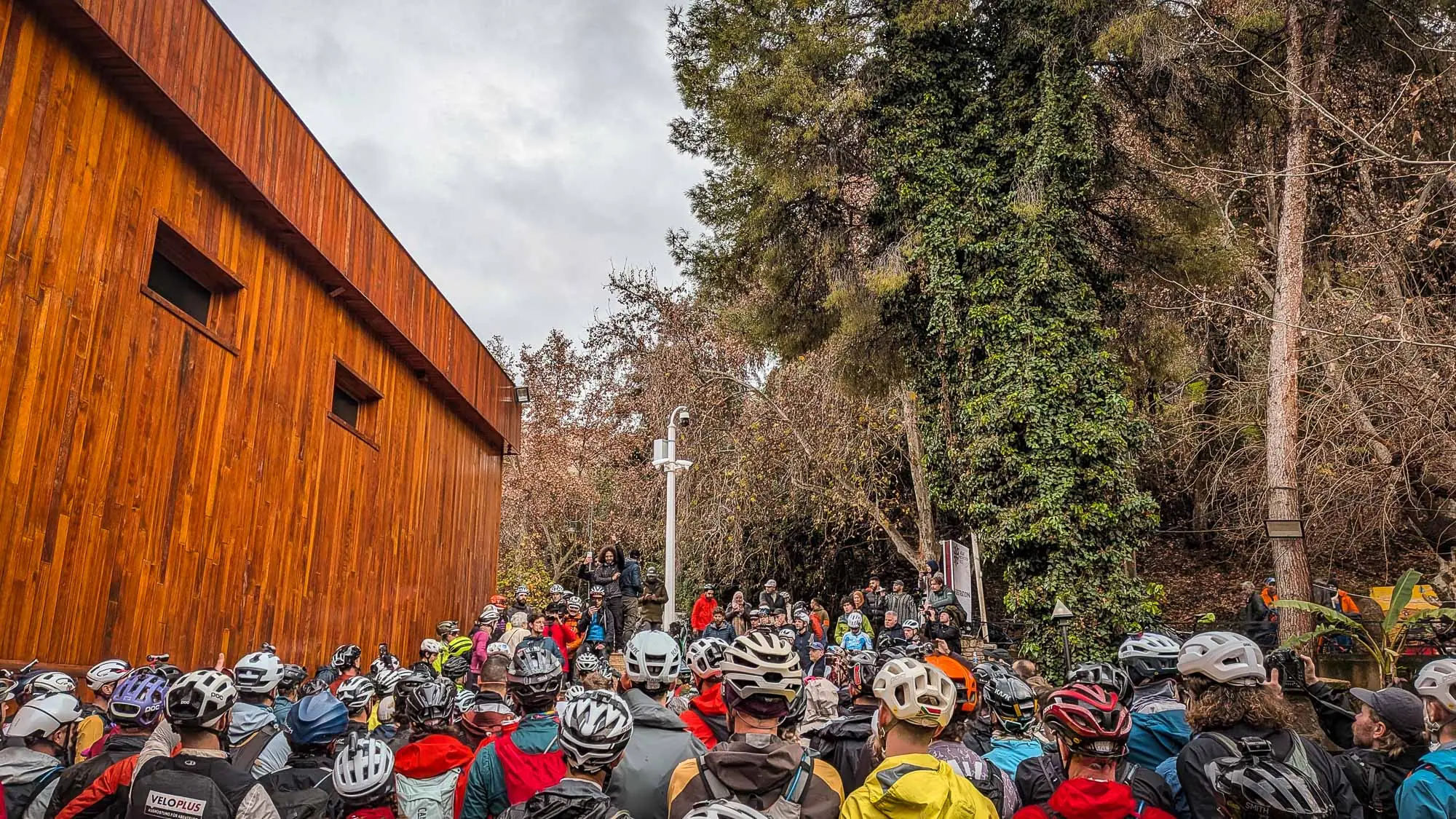
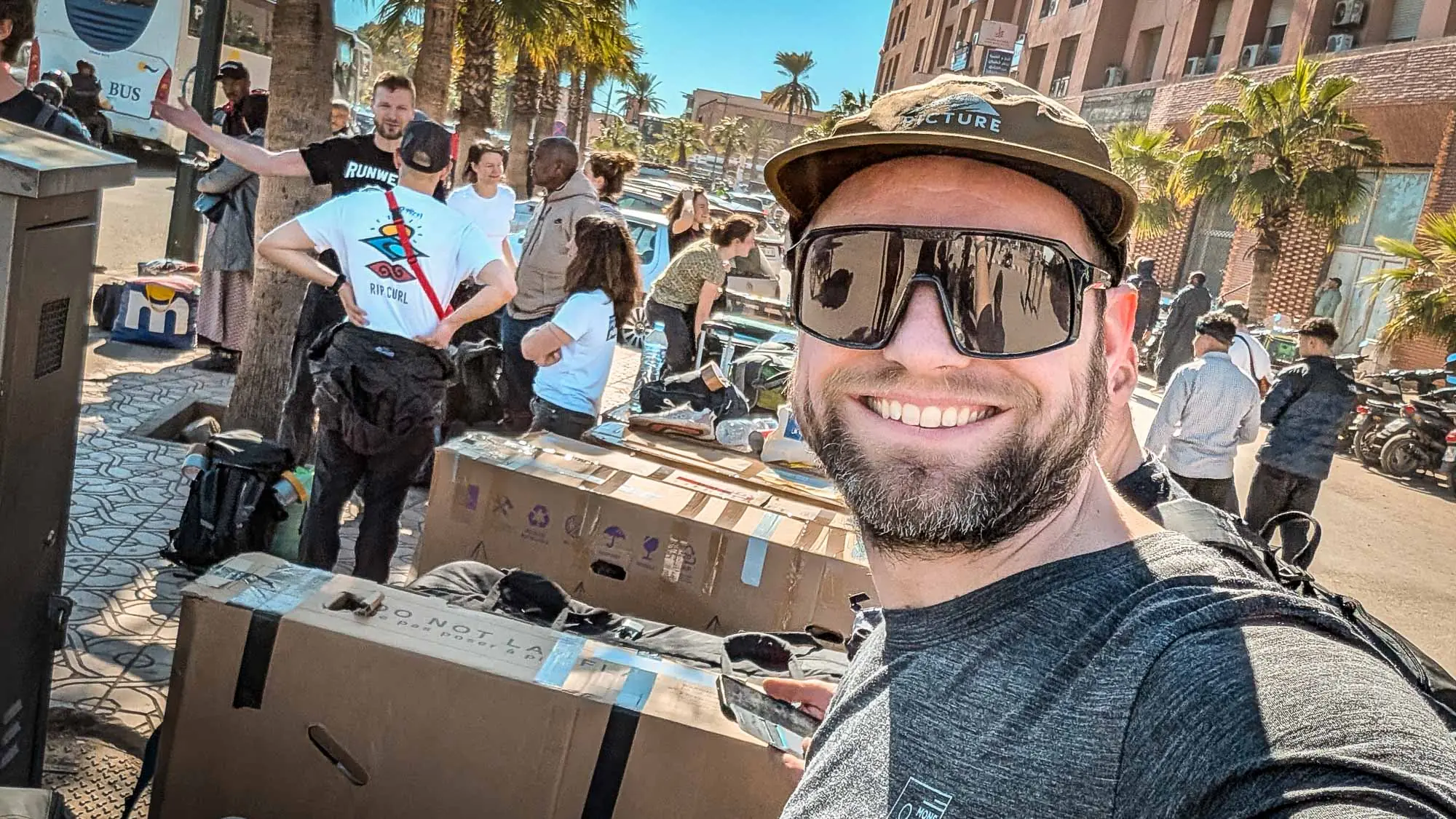
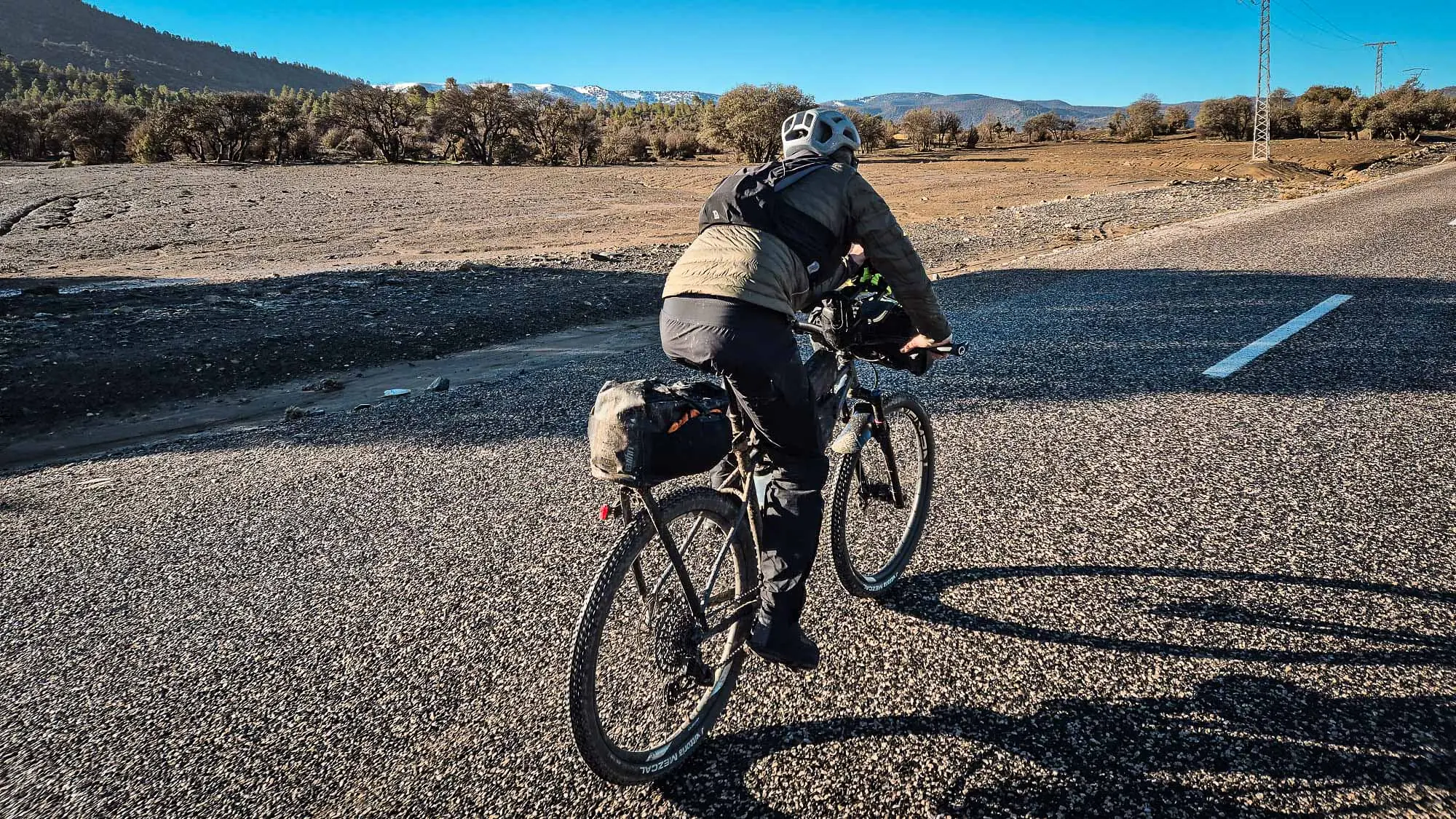
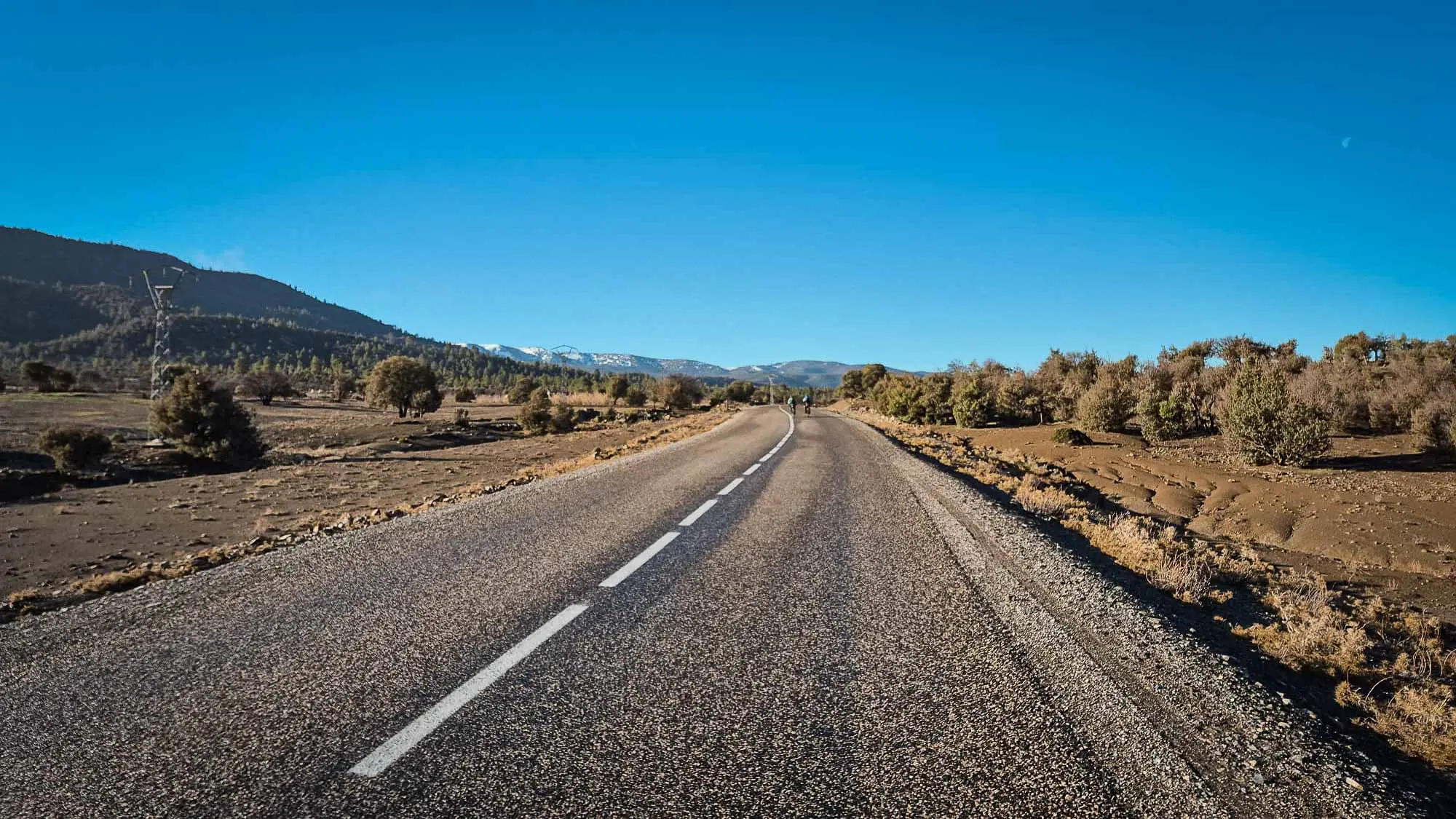
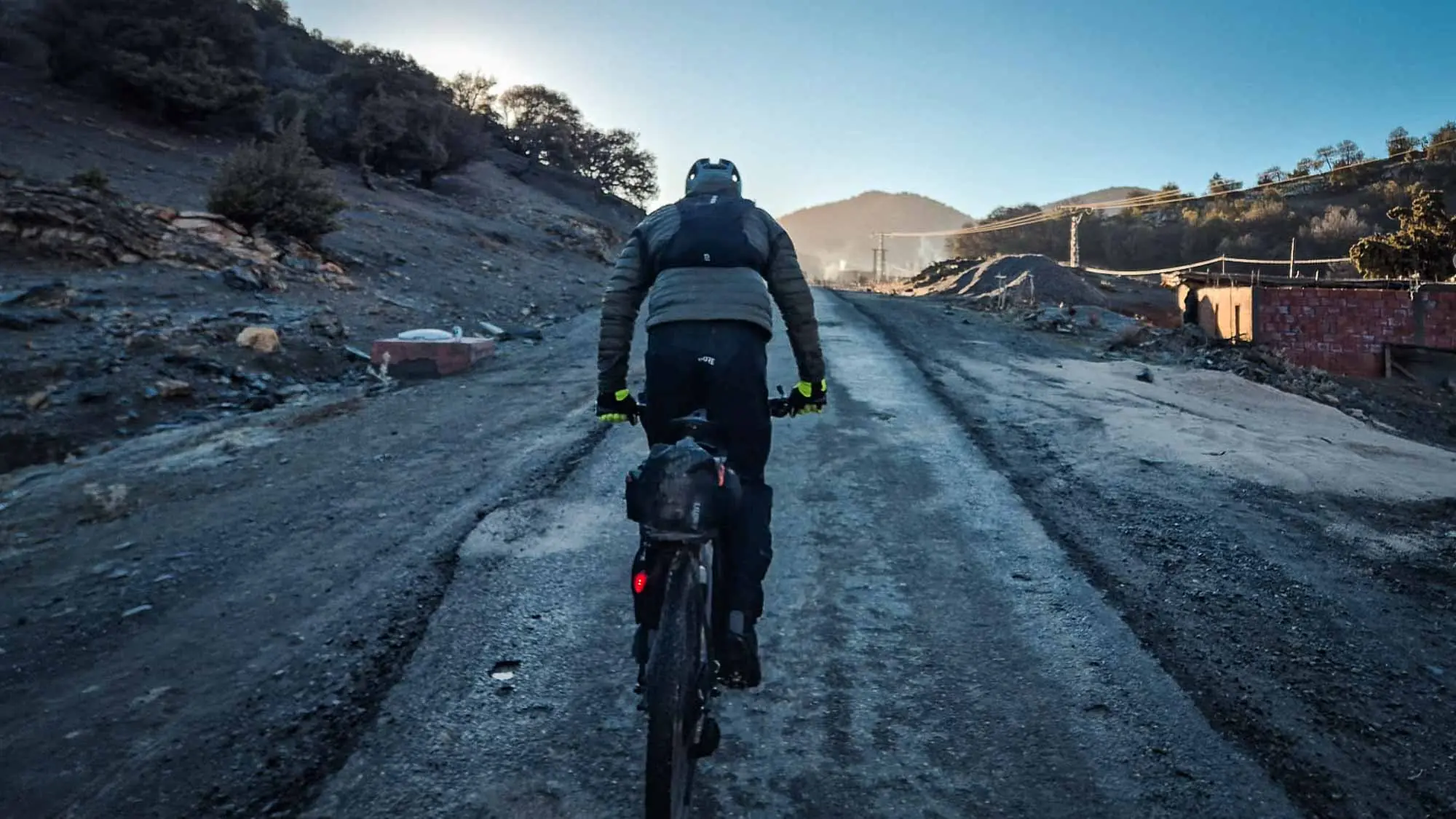
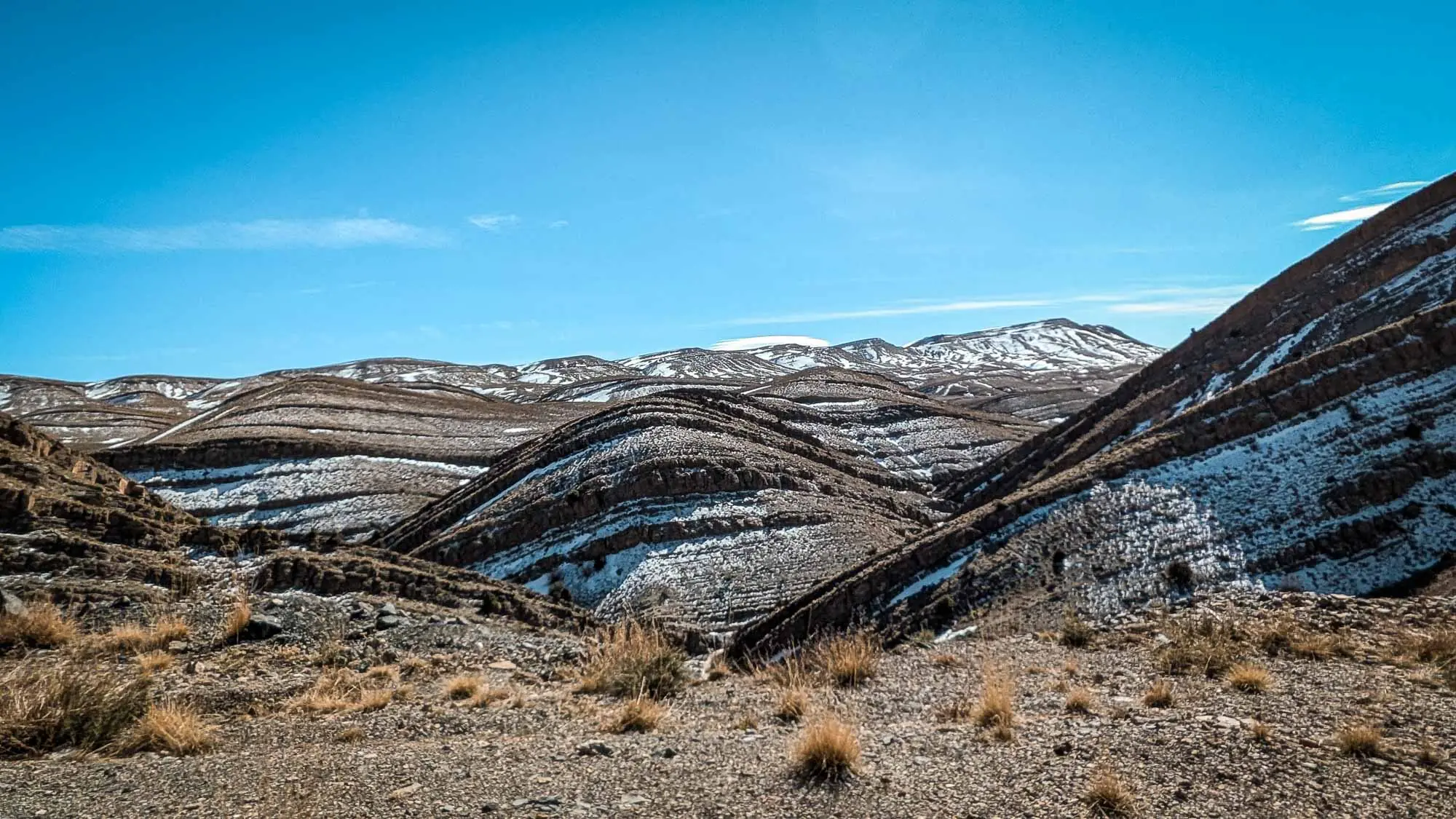
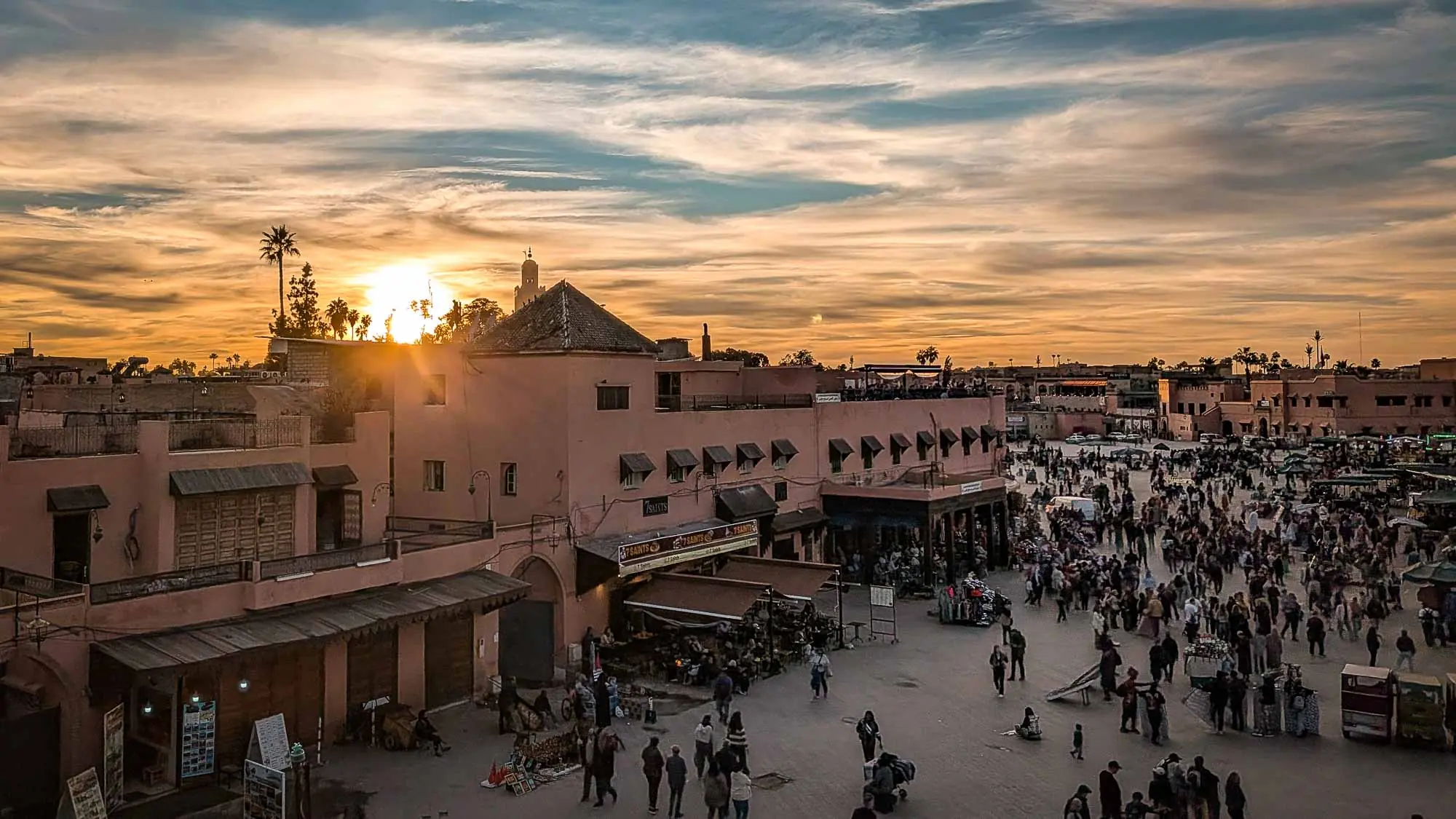
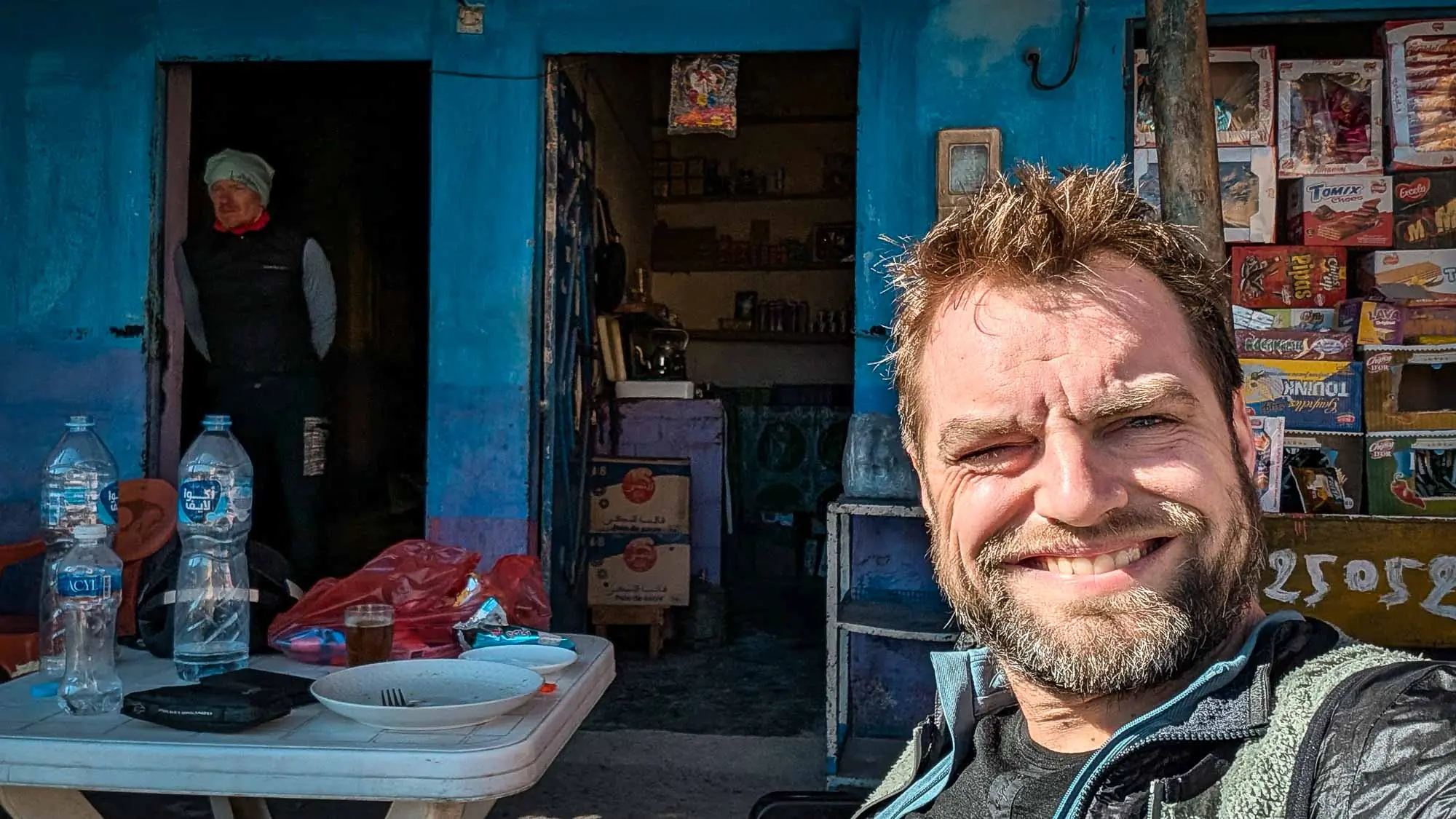
Ich habe mich im Sommer 2025 für das Atlas Mountain Race angemeldet und wollte dort mit einem Freund gemeinsam als Team starten. Wir hatten Glück und haben einen Platz bekommen. Daher sind wir im Februar ein paar Tage vor dem Start nach Marokko geflogen, haben uns zwei Tage Marrakesch angeschaut und haben dann einen Bus zum Startpunkt nach Beni-Mellal genommen. Die Strecke ging dann von Beni-Mellal etwa 1400km und 25 000 hm in einem Bogen über das Atlasgebirge, die Wüste und allerlei Highlights bis hin zur Küstenstadt Essaouira. Ziel war es, das Ganze in etwa 7 Tagen zu schaffen. Mindestens aber in der vorgegebenen Zeit von etwa 9 Tagen anzukommen.
Was hat dich dazu gebracht, genau dieses Abenteuer anzugehen?
Nachdem ich mit einem Freund Lieven schon beim Transcontinental Race und dem Race Across Belgium (RAB) gestartet bin, hatten wir überlegt, ein Offroad-Rennen zu machen. Das Atlas Mountain Race war bei Lieven schon lange auf der Liste, und da ich beim RAB die Strecke (1100km und etwa 11 000 hm) in unter 70 Std. geschafft hatte, dachte ich mir, mit konstantem Training kann das klappen. 🙂 Vielleicht auch die Euphorie – wir hatten direkt nach dem RAB darüber gesprochen. ????
Wenn du das Rennen in drei Worten beschreiben müsstest – welche wären das?
Vielseitig/-schichtig – Hart – Omelett
Wo kam der Moment unterwegs, wo du kurz gezweifelt hast, das Ganze nicht zu schaffen?
Tatsächlich schon vor dem Rennen. Ich bin bei dem Rennen mit Lieven als Team gestartet und wir waren etwas früher in Marokko und haben uns noch Marrakesch angeschaut. Dann sind wir einen Tag vor dem Rennen mit einem Transfer nach Beni-Mellal gefahren und die Nacht vor dem Rennen war leider nicht wirklich erholsam. Ich dachte zu dem Zeitpunkt noch: Ach komm, das wird schon, du bist nicht krank, einfach nur schlecht geschlafen.
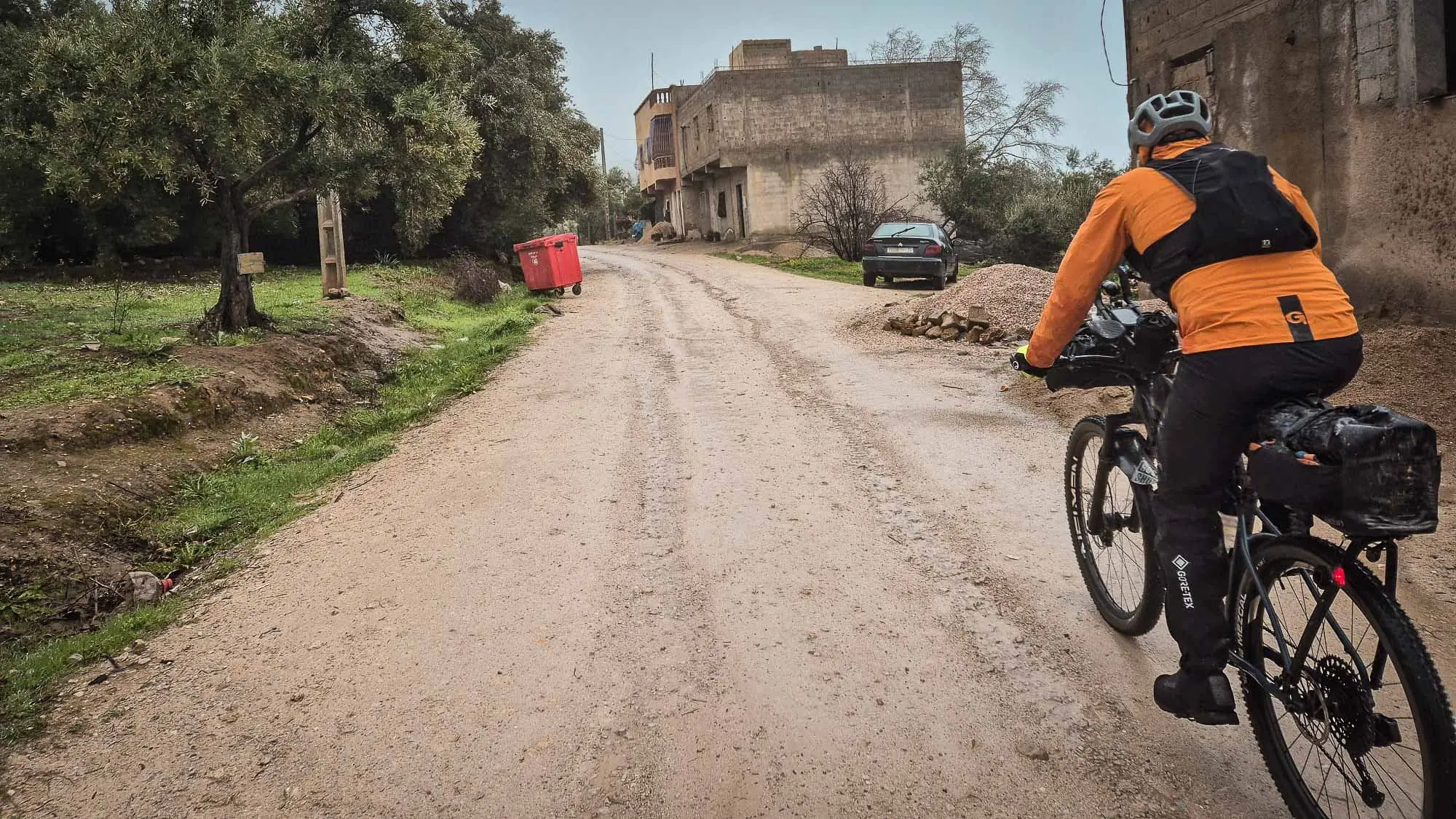
Wir sind dann das Rennen um 17 Uhr gestartet und haben bis etwa 2–3 Uhr schon einiges an Kilometern und Höhenmetern gutgemacht, trotz des schlechten Wetters. Die Suche nach einem Schlafplatz auf etwa 2000m Höhe war etwas schwierig, da alles nass und schlammig war. Haben aber dann irgendwann ein gutes Plätzchen gefunden und etwa 5 Stunden geschlafen.
Morgens ging es dann wieder gut weiter, aber beim ersten Shop, wo wir etwas Omelett zum Frühstück hatten, hab ich gemerkt: Ich glaube, das wird nix. Ich hatte einfach kaum Energie, trotz viel Essen und 5 Stunden Schlaf. Das ging dann so weiter, bis ich nach dem letzten Pass vor Imilchil einfach schieben musste, obwohl es nur 5 % Steigung waren. Wir sind dann in das Dorf reingefahren und da gab es sowas wie ein Hotel/Restaurant. Beim Essen dort ging es dann schon mit Schüttelfrost los und da war eigentlich klar: Das wird hier nix mehr.
Welcher Moment ist dir besonders im Kopf geblieben?
Tja – ehrlich gesagt hat es sich nicht wirklich gelohnt. Auch wenn es immer heißt, Erfahrungen und Niederschläge machen einen stärker – hier war einfach nur Enttäuschung da, weil ich mich nicht mal im Ansatz ausprobieren konnte.
Was super positiv war, ist, dass die Freundschaft zwischen mir und Lieven auch solche Momente einfach super aushält und wir aufeinander zählen können.
Wie wichtig war dein Set-up für dieses Rennen?
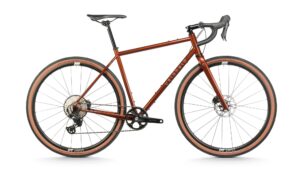
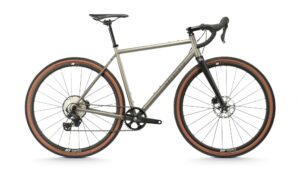
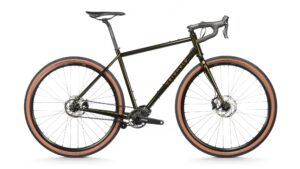
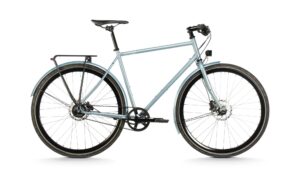
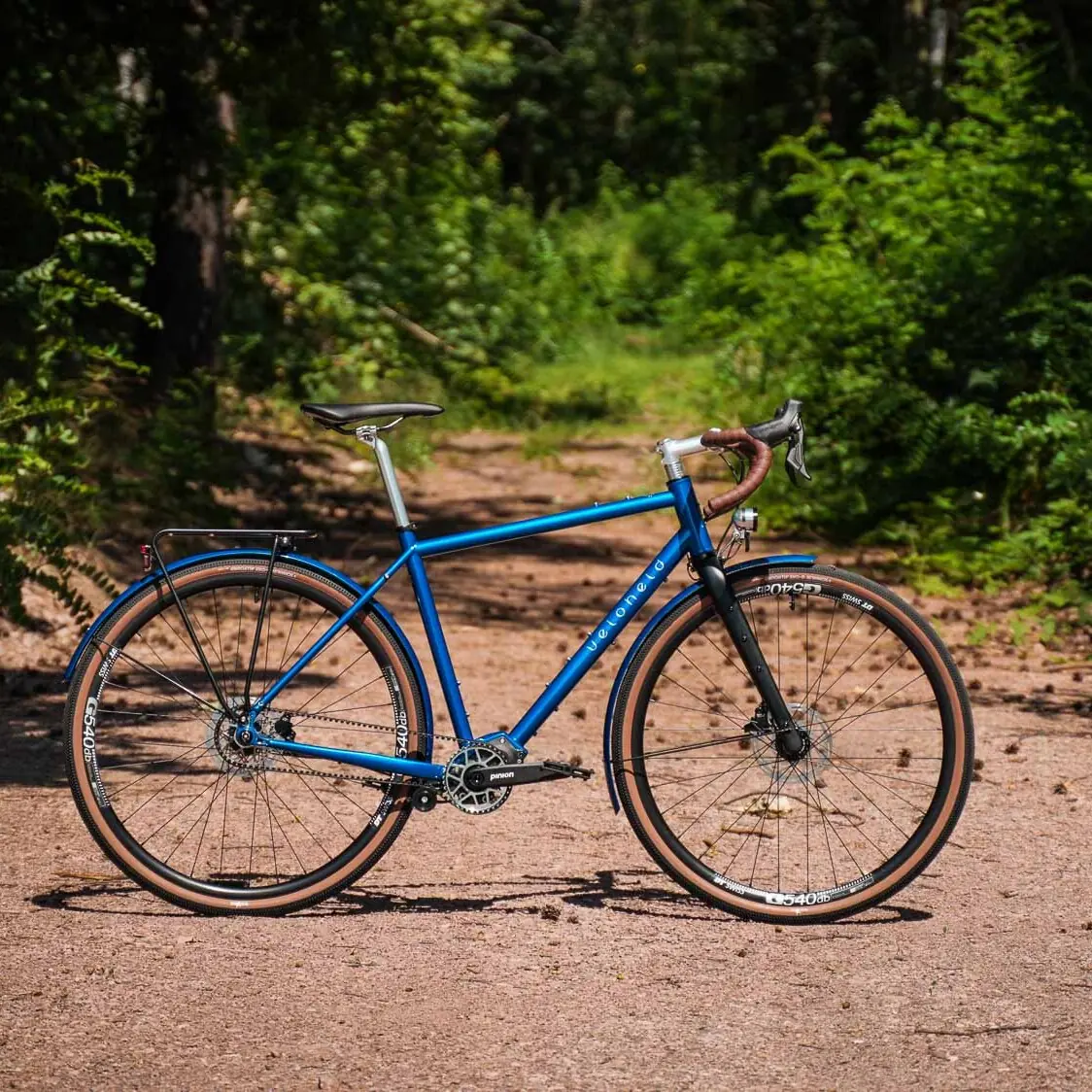
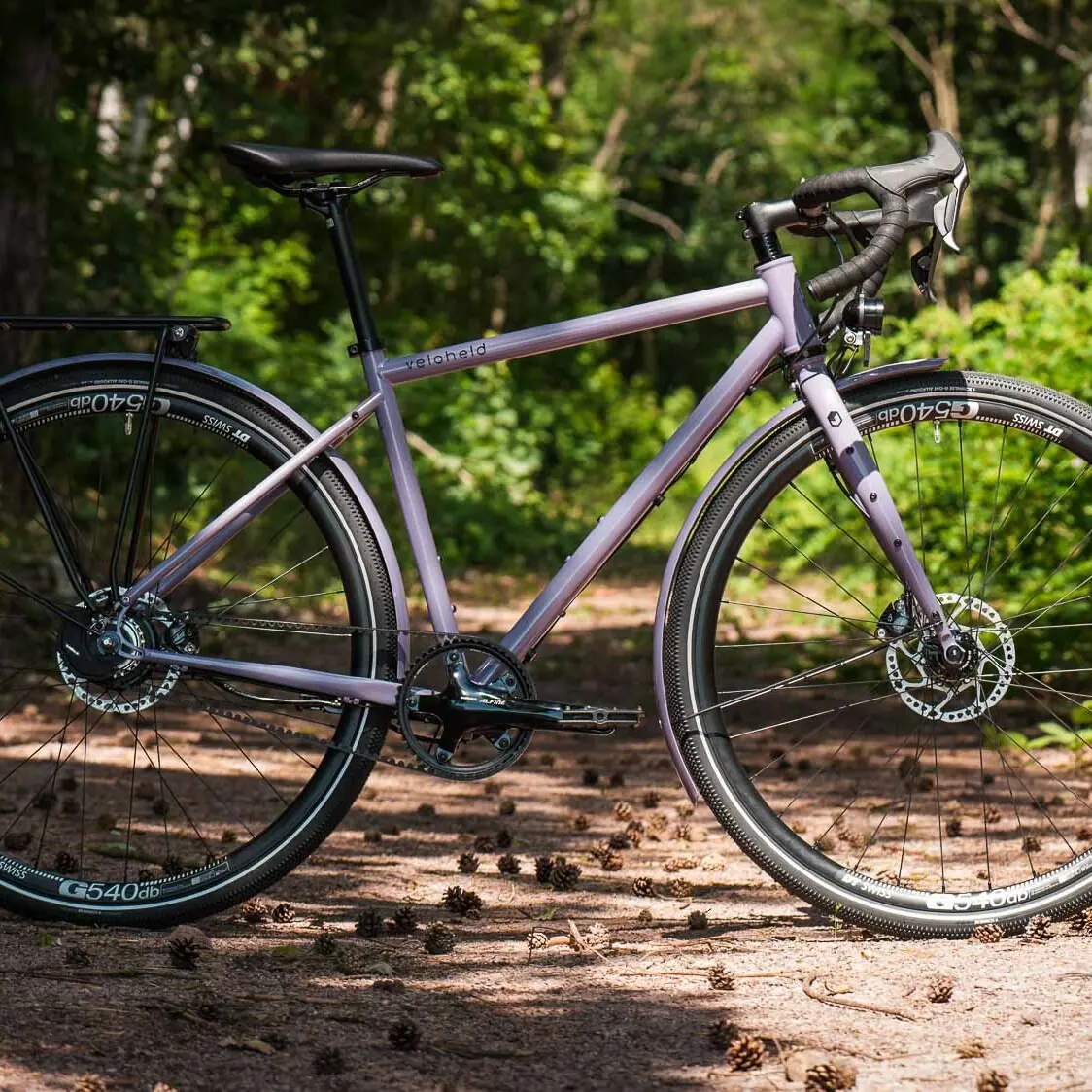
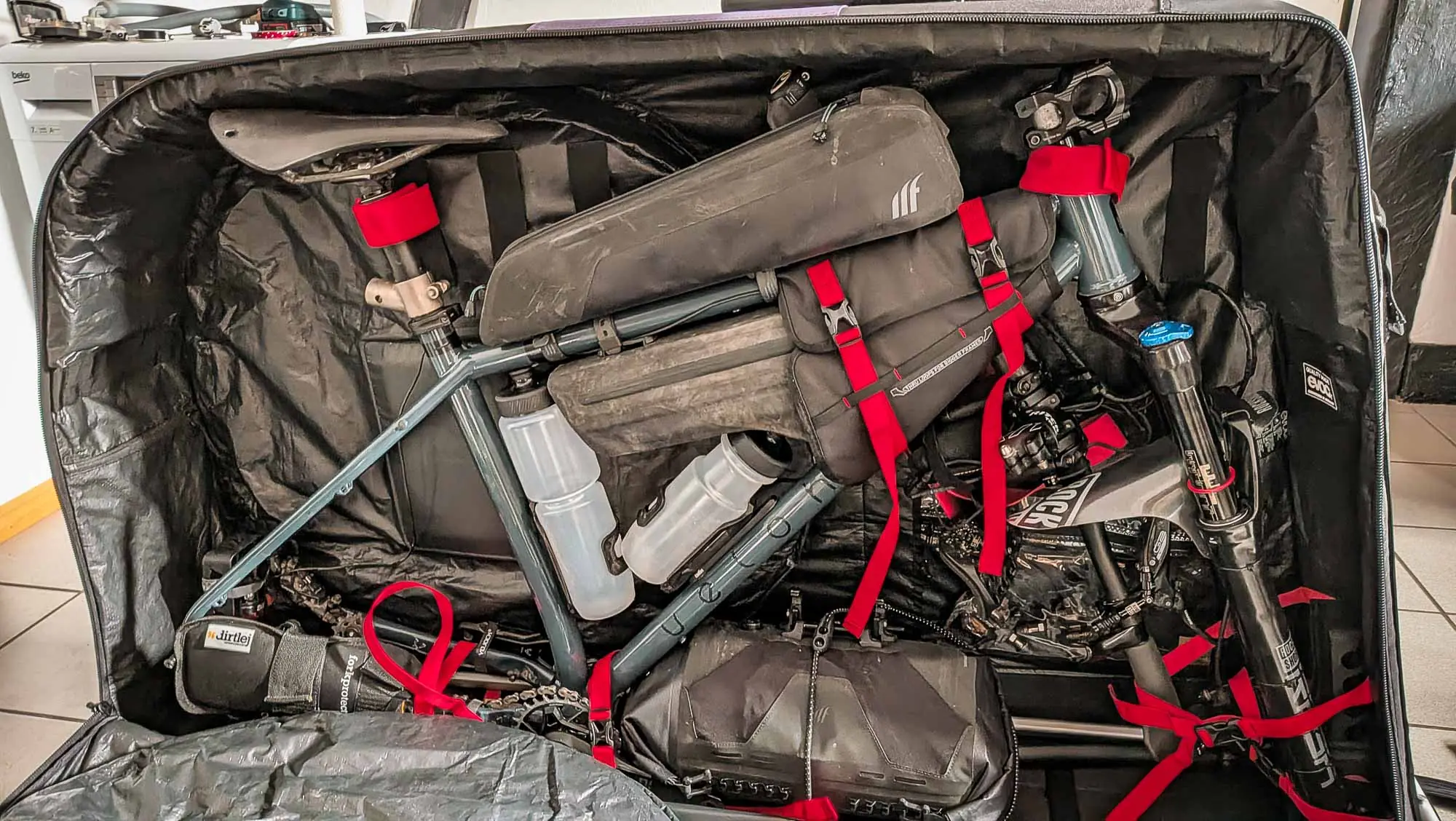
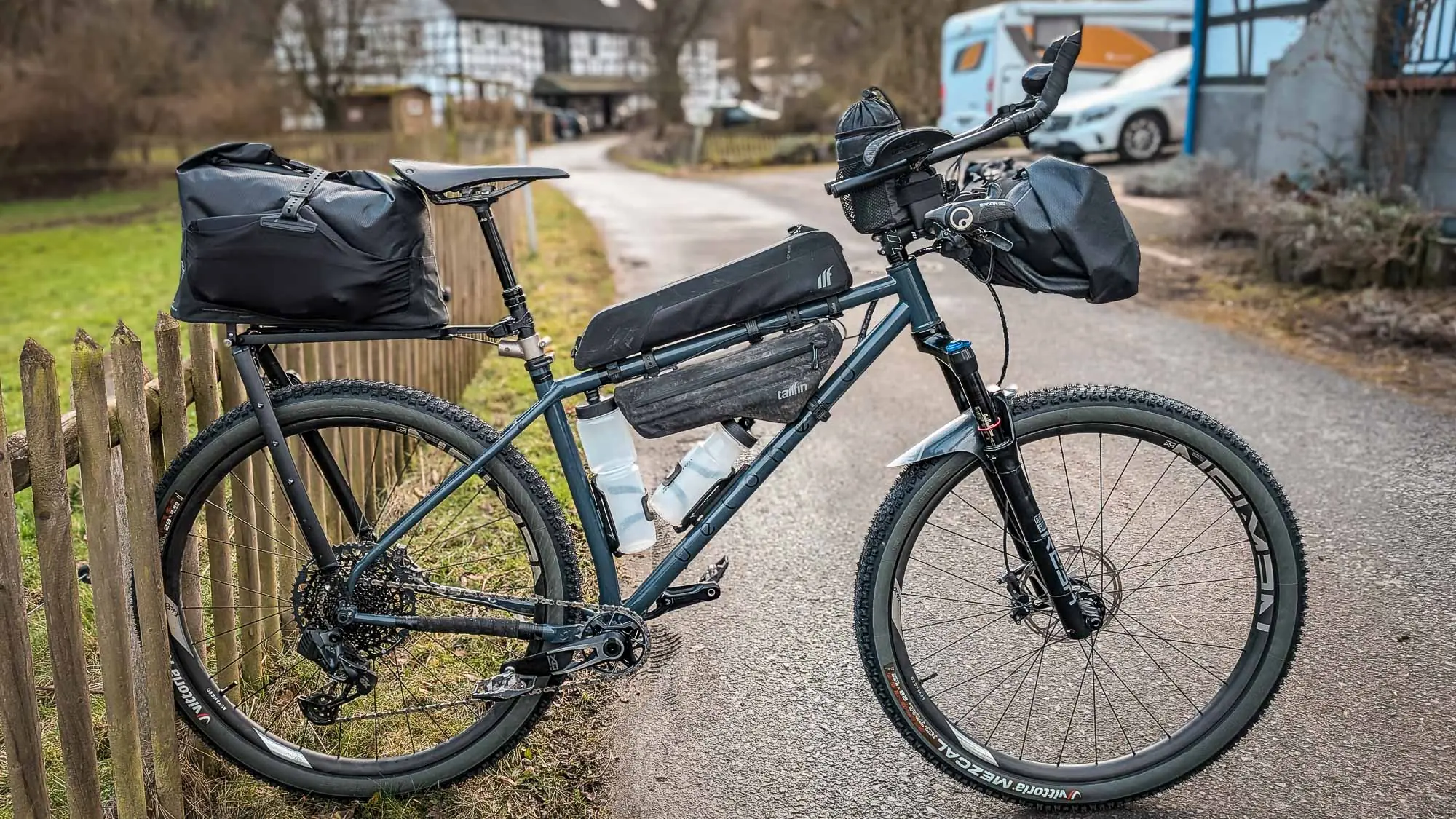
Ich habe mich mit meinem Setup insgesamt sehr wohlgefühlt. Ich hatte vorher schon einige Tests gemacht und würde sagen, dass wirklich alles sehr gut gepasst hat.
Insgesamt bin ich schon jemand, der viel Wert auf ein für mich optimales Setup legt. Es muss jetzt nicht super lightweight sein, aber einfach zu mir und dem Event passen.
Viele denken bei solchen Abenteuern zuerst an Geschwindigkeit oder Leistung: Was ist für dich persönlich das Wichtigste, wenn du auf solchen Strecken unterwegs bist?
Das Abenteuer – wenn man sowas fährt und nicht in die Top 10 fahren will, sollte das Abenteuer im Vordergrund stehen. Der Rest kommt dann von alleine. 🙂
How do you prepare for an adventure like this?
Training and preparation are absolutely vital and form the very foundation. You don’t need to ride 10–15 hours a week straight away if you’re already in decent shape. I’ve been training well at around 6 hours a week and my performance figures have been relatively good. But your mindset when you’re actually there is just as important. For me, staying positive and always focusing on solutions is essential for mastering a race or a bikepacking tour.
Was there along the way anything that turned out completely differently than planned?
Klar – der frühe Scratch. Auch wenn ich mit einem Scratch gerechnet habe (tue ich immer), war der einfach viel zu früh und ich hatte mich darauf gedanklich nicht vorbereitet.
What was the biggest challenge on the course?
The weather was really awful. The worst weather in 20 years in the region. We had everything from drizzle to as much as 20 litres per square metre of rain and snow at –8 °C just on the first 160 km. After that, things didn’t get any better with all that extreme headwind at the finish I heard at the finish line.
What role does cycling play in your life?
Radfahren ist etwas, das mich immer glücklich macht. Egal, ob ich eine Stunde oder 20 Stunden am Stück auf dem Sattel sitze – ich bin selten dabei schlecht gelaunt. Ich mache auch so alles im Alltag mit dem Rad.
If you had to give a piece of advice to someone who dreams of going on an adventure like that themselves – what would it be?
I’m actually the sort of person who just goes for it. But projects like that usually end up going wrong. So I’m starting small with a race – about 500 km – in a country where the support is good (the AMR is the race with the worst support), and then I’ll step it up, depending on how it goes and how I feel.
Has this race changed your view of cycling ?
Not necessarily. It was a hard lesson to learn because it was a really tough time for me. (I was ill for about another four weeks in total and couldn’t do any sport.) But you learn from your mistakes – for me, that means: no races in winter if you’re sending your child to childcare for the first time. There are just too many viruses going around to cope with. 🙂
And most importantly: Where will your next adventure take you? 🙂
My next adventure will probably be a short trip with my boyfriend Lieven to the Ardennes, lasting about 3–5 days. But my next race is already planned too: the Highland and Steel, which takes place right on my doorstep. It starts in Dortmund, covers about 500–600 km through the Sauerland region and back again. My aim is to complete the route in one go – I’ve always wanted to do that. 😉
What do you think of the bike?
Matthias ist nach 160 Kilometern und 4.000 Höhenmetern aus dem Rennen ausgestiegen. Nicht weil er aufgegeben hat – sondern weil sein Körper schlicht nicht mehr konnte. Fieber, Schüttelfrost, schlechtestes Wetter seit 20 Jahren. Manchmal gewinnt man nicht. Manchmal lernt man stattdessen. Und weißt du was? Das ist absolut keine Niederlage. In einem Sport, der so oft nur über Leistung, Wattzahlen und Zeiten redet, ist es eine der stärksten Entscheidungen, die man treffen kann – auf seinen Körper zu hören und nicht aus reinem Ego weiterzumachen. Das braucht mehr Mut als durchzubeißen. Seriously. Für Matthias sind die nächsten Abenteuer aber schon geplant – ein Trip mit seinem Freund Lieven in den Ardennen und dann im August das Highland and Steel in Dortmund. 500–600 km Sauerland, in einem durch. Matthias ist eben nicht der Typ, der lange grübelt, sondern einfach weitermacht.
Und wir? Wir sind froh, dass er seine Geschichte mit uns geteilt hat, weil nicht jede Geschichte mit einem Zieleinlauf enden muss, damit es eine gute Geschichte wird, denn genau das macht sie manchmal noch echter. Danke, Matthias. ✌????
Habt ihr auch ein Abenteuer auf einem veloheld erlebt, das ihr gerne teilen möchtet? Schreibt uns – wir erzählen eure Geschichte super gerne weiter.