

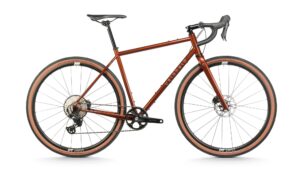
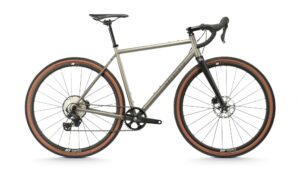
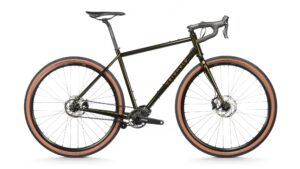


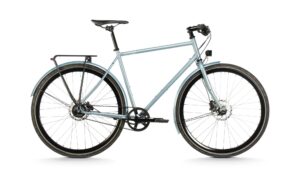





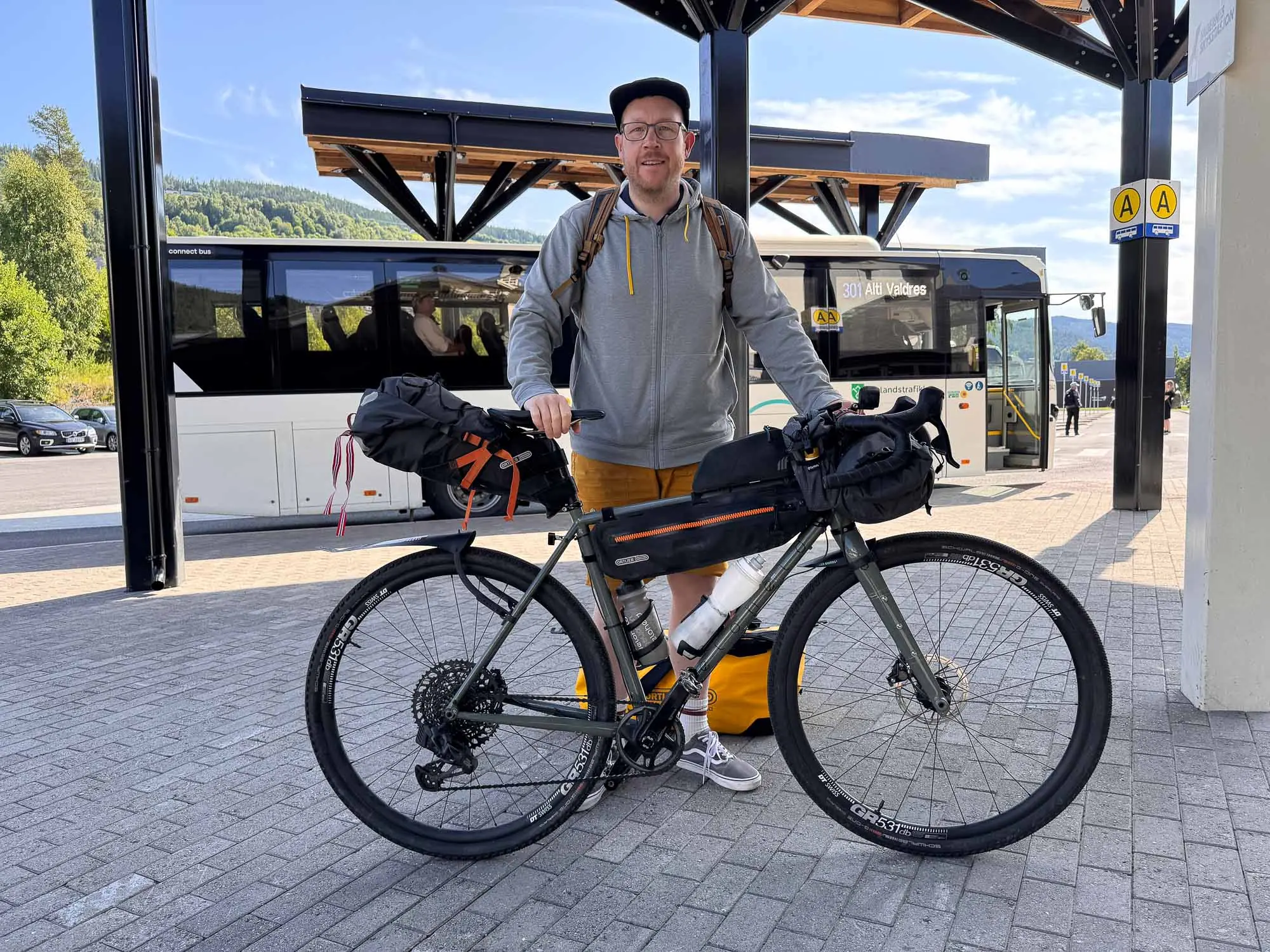
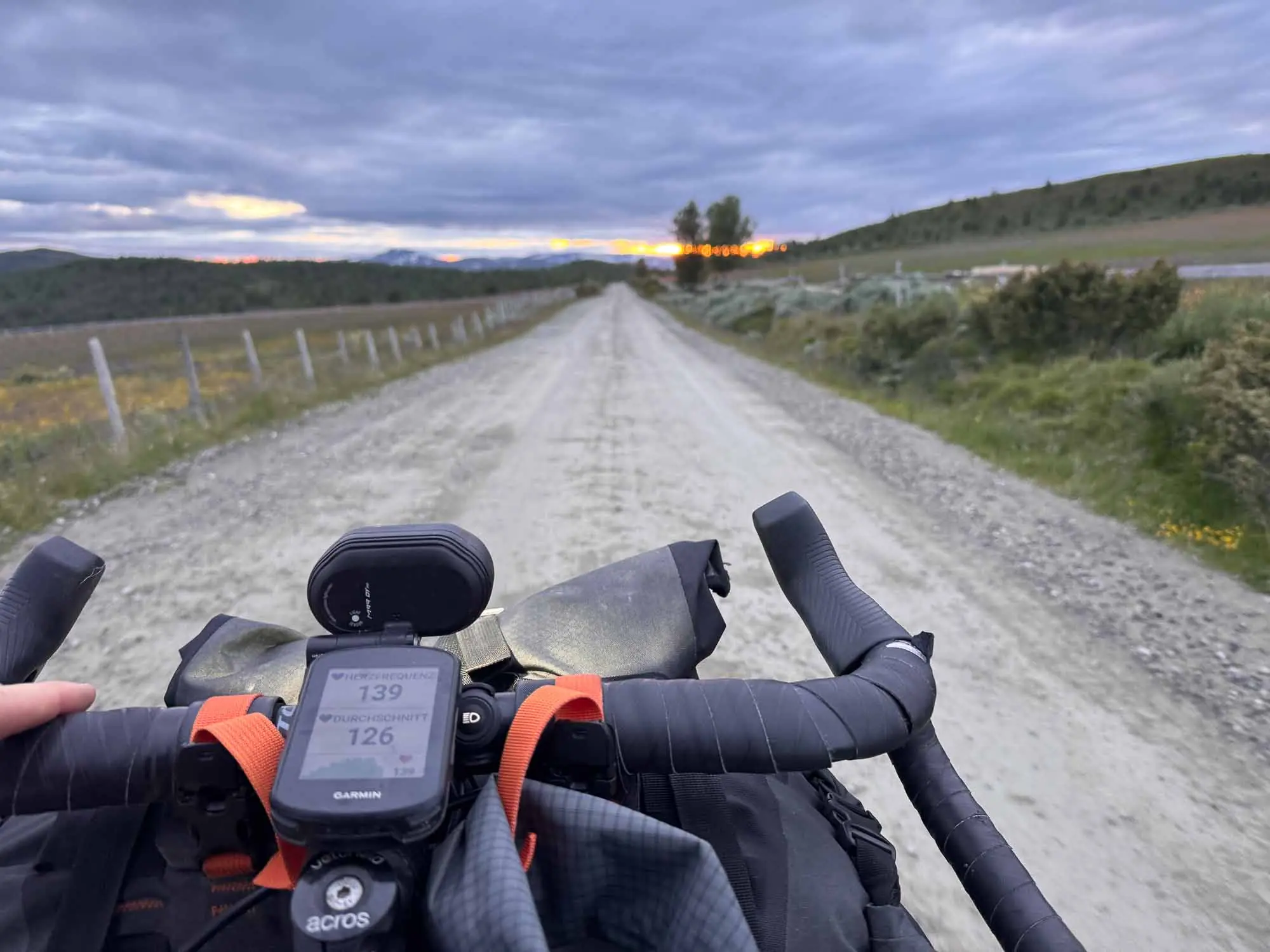
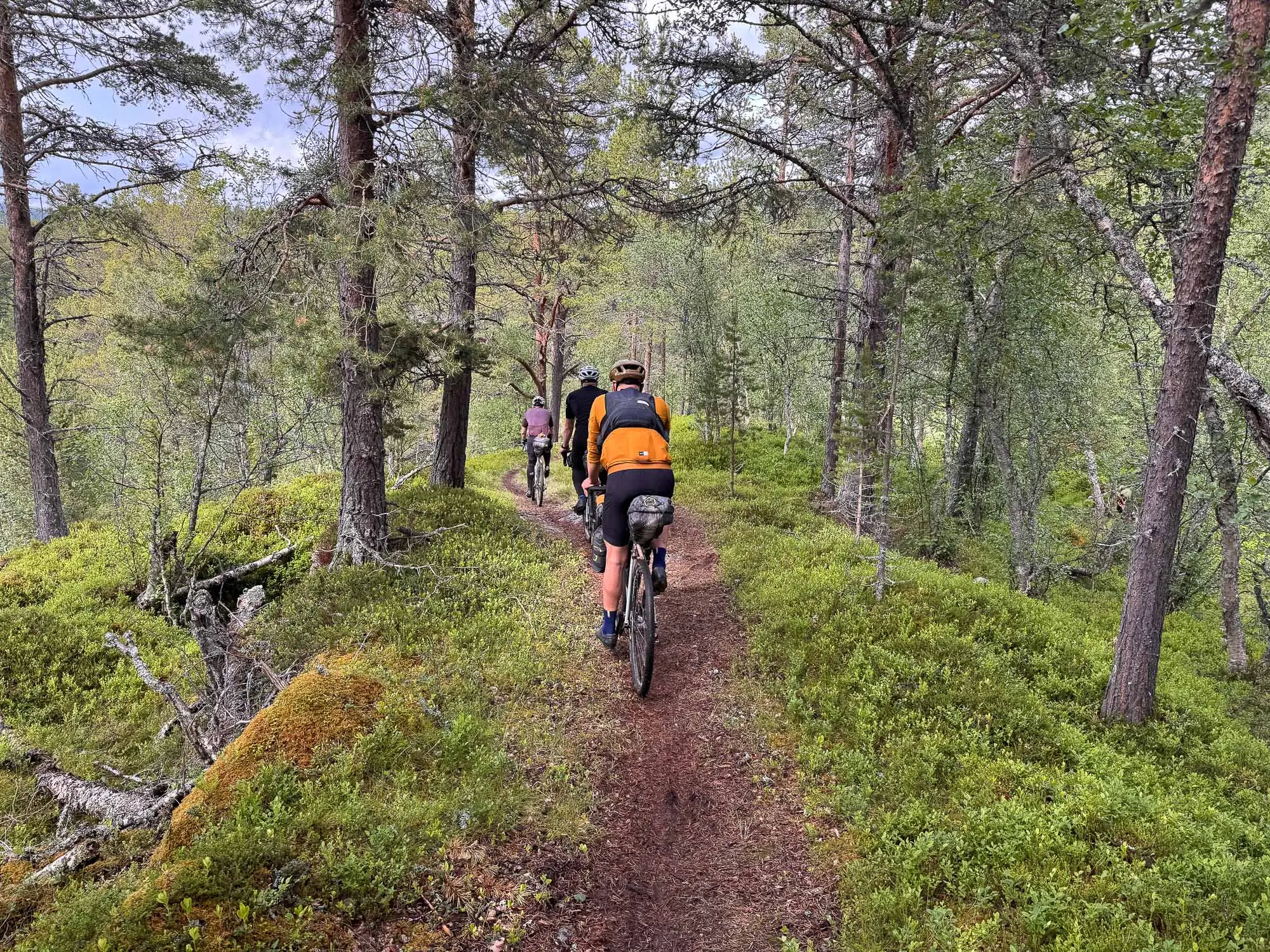
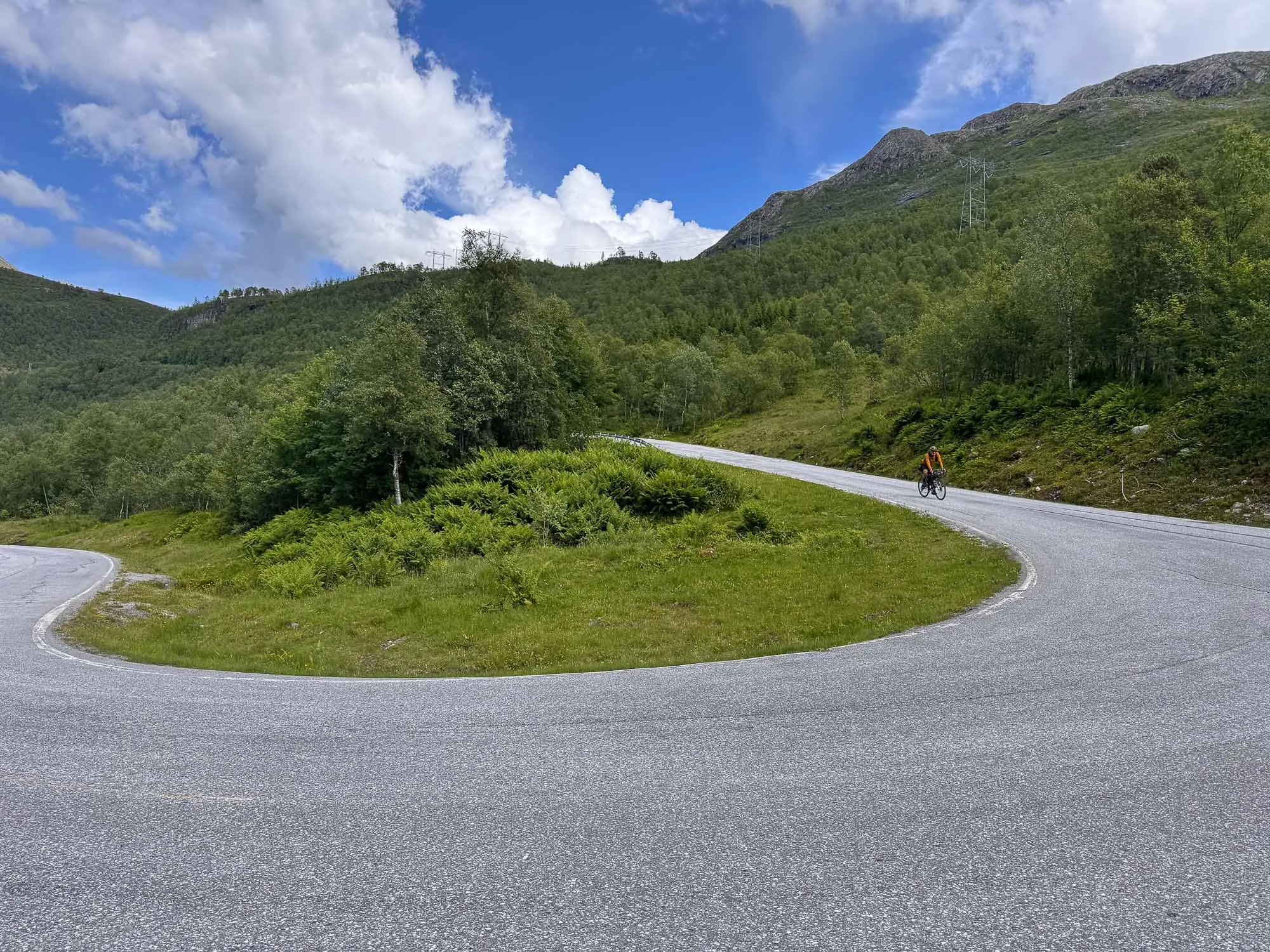
Tell us first briefly about your adventure:
Where were you on the go and what was the destination of this race?
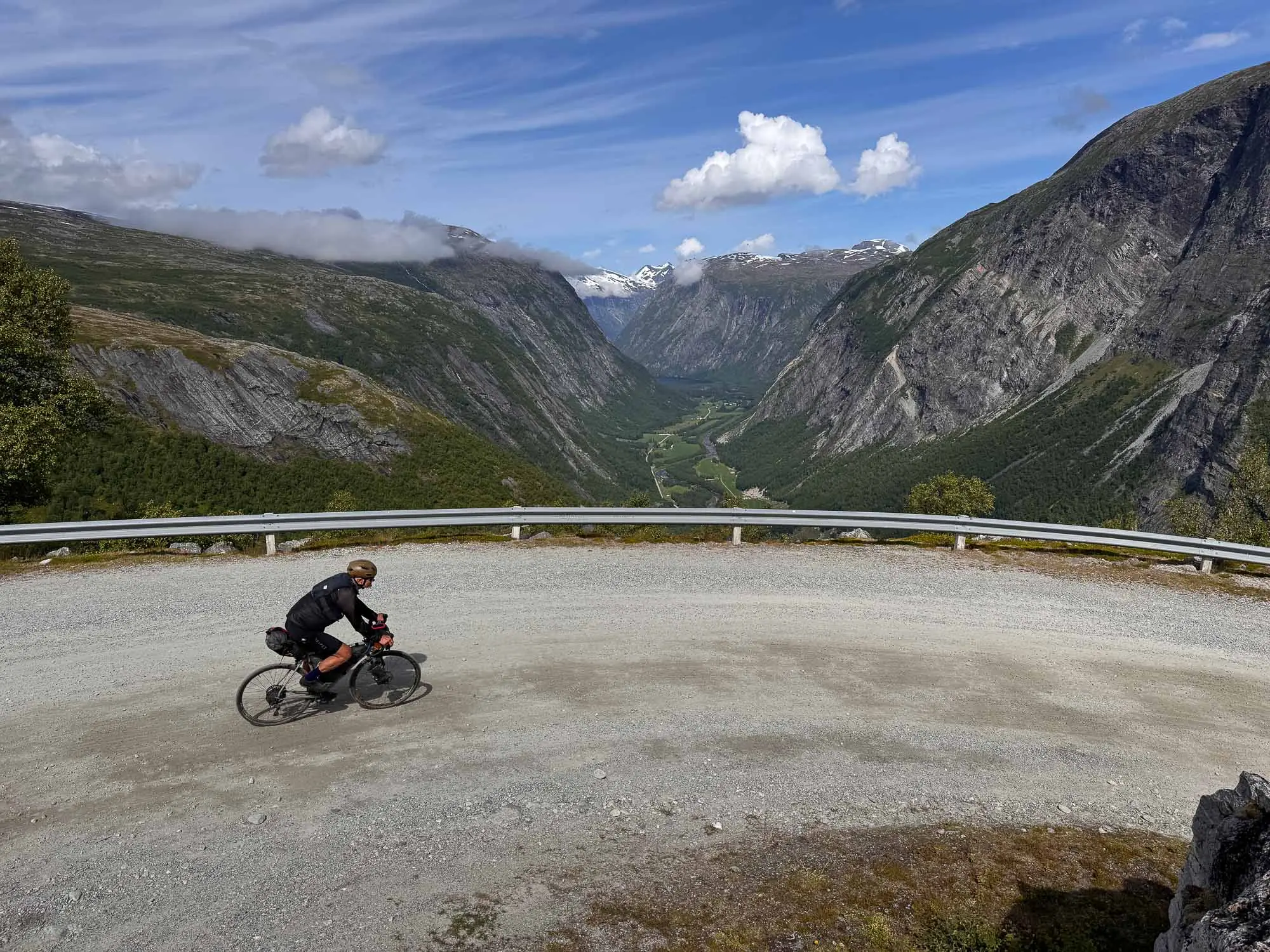
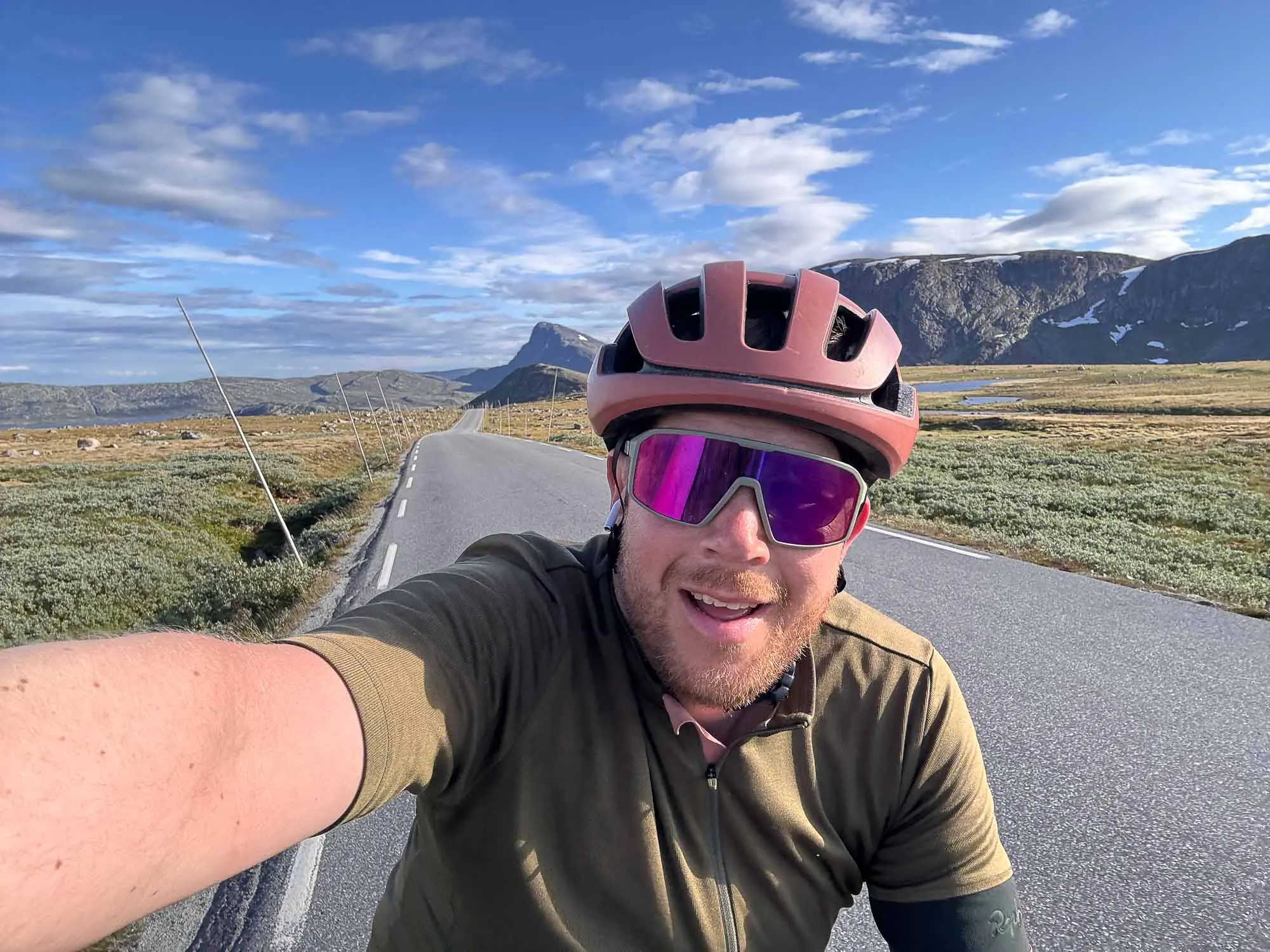
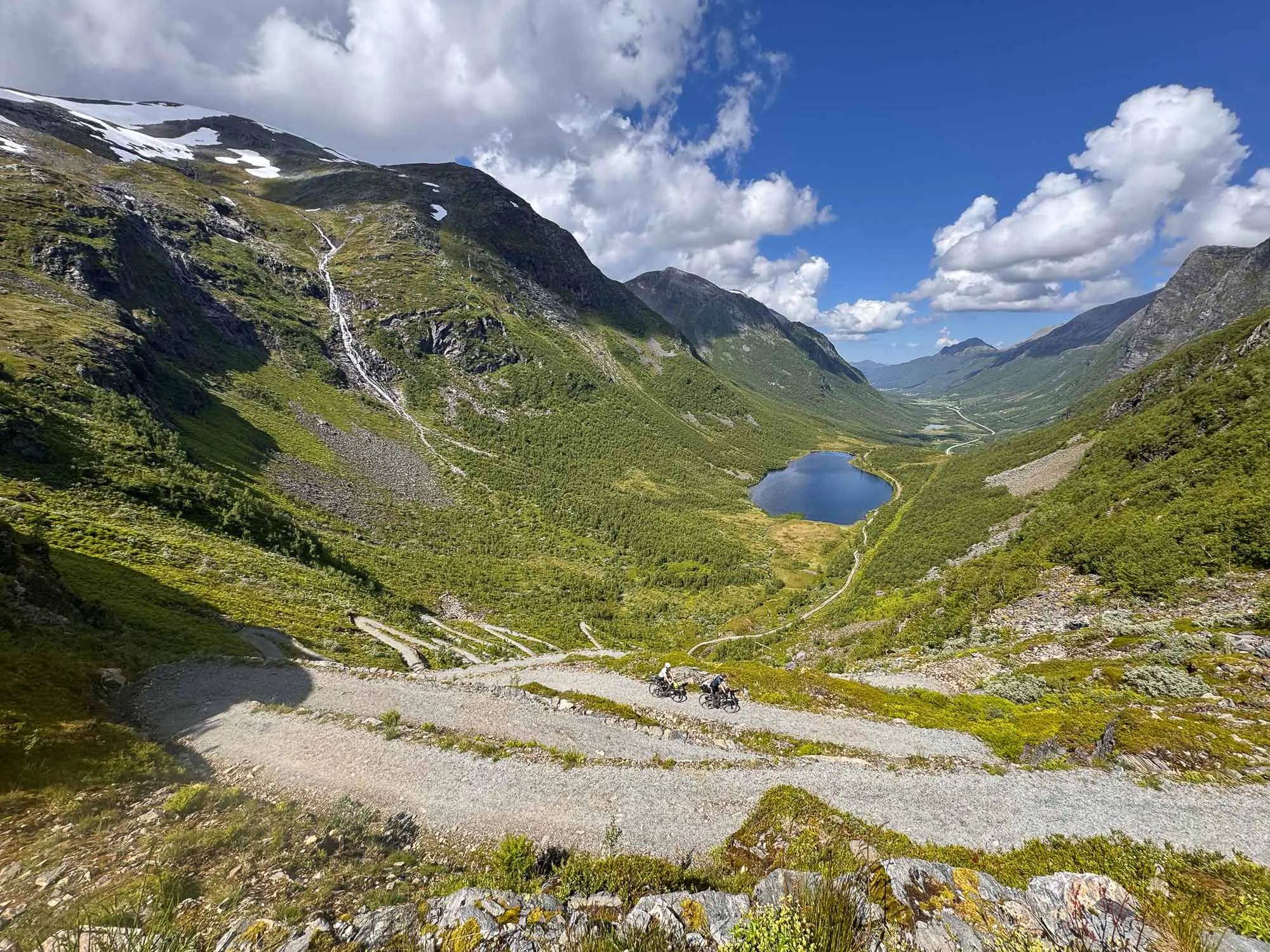
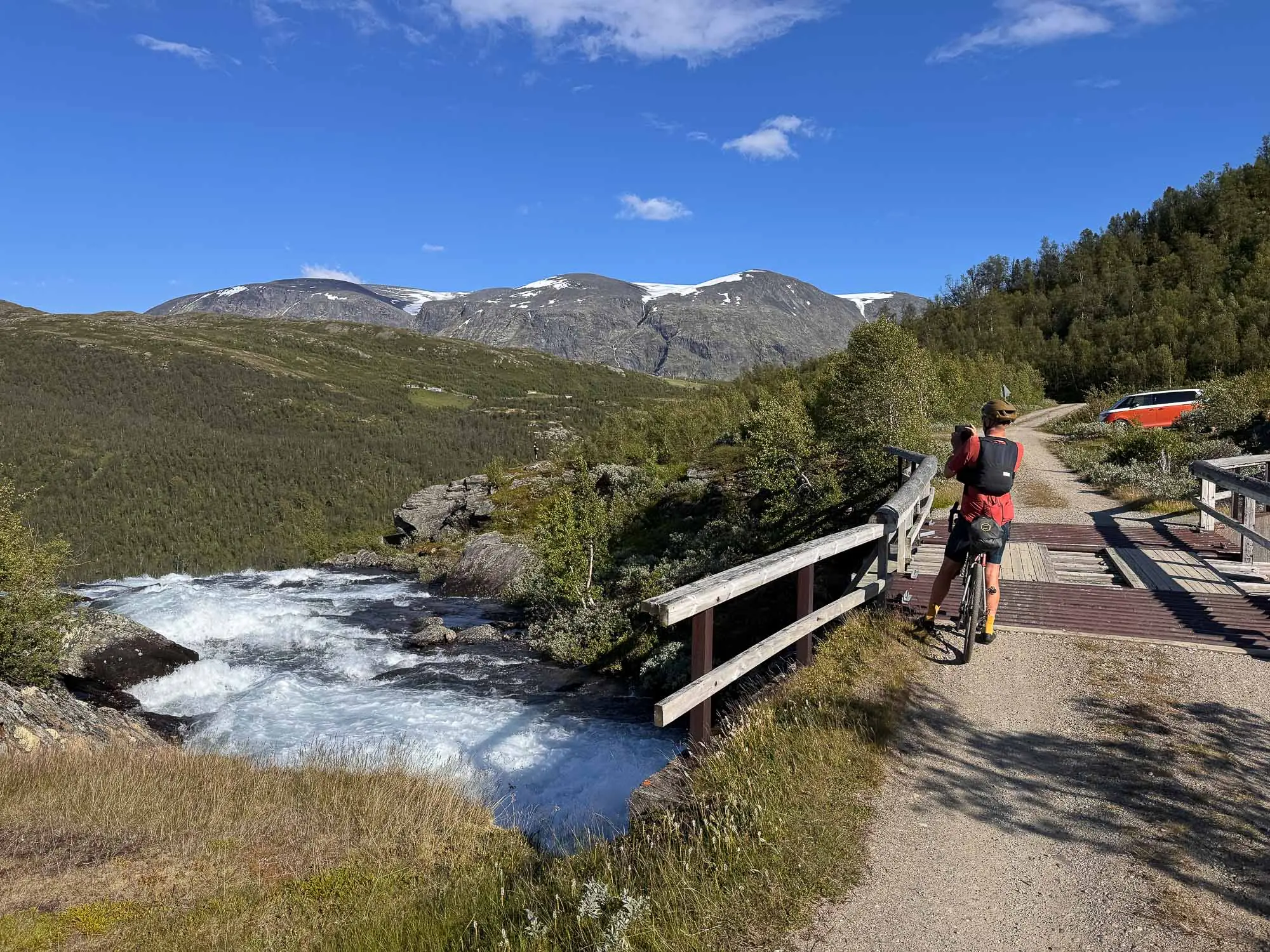
In July 2025, I took part in Bright Midnight, an ultracycling event in Norway organised by ultracycling legend Justinas Leveika. The route covers 1,100 kilometres and involves climbing around 20,000 metres in elevation. The start and finish are in the small village of Tolga, in the middle of nowhere in Norway, a good 300 kilometres north of Oslo, and from there the route takes you in a wide loop westwards down to the fjords and then along Norway’s highest mountains back to Tolga. Along the way, you ride along some of Norway’s most beautiful gravel bike routes and coolest mountain passes.
What made you decide to embark on this particular adventure?
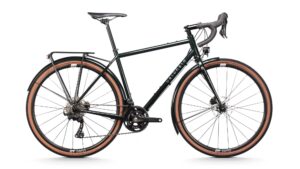
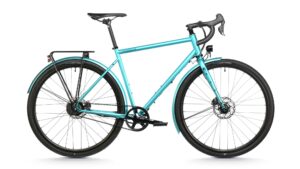
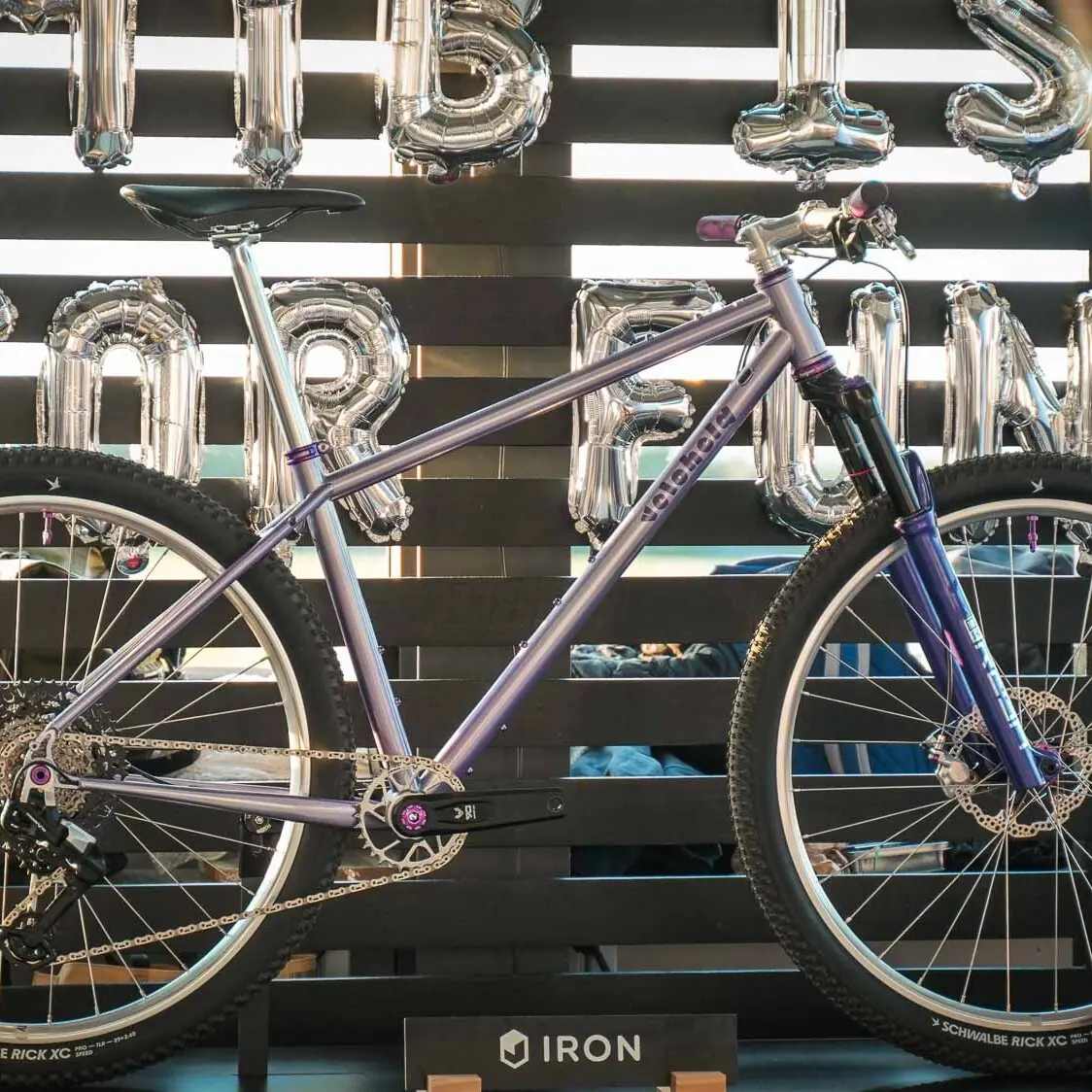
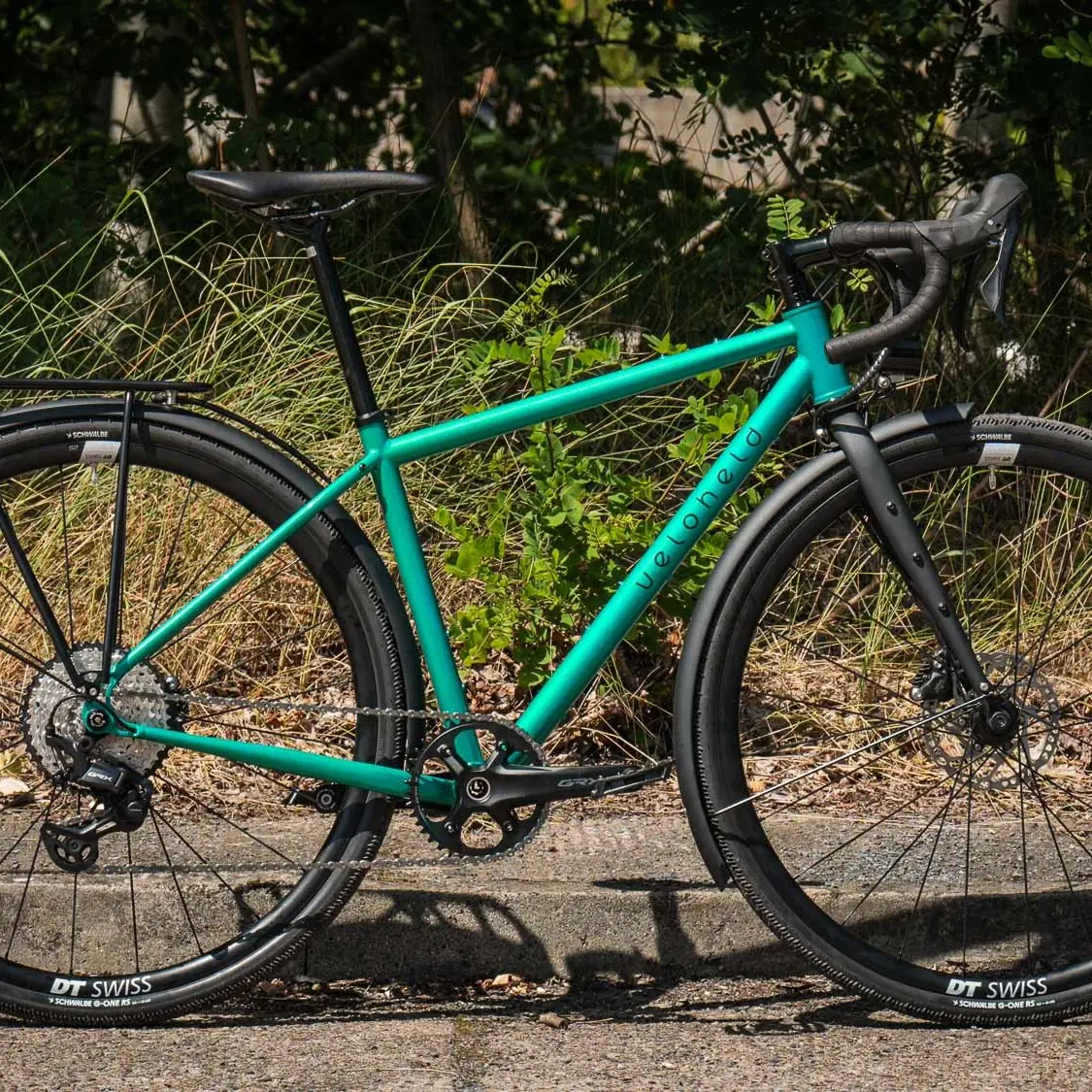
Originally I was on a bikepacking tour in drizzle on my veloheld.iconX through Denmark and while doing so I came across a podcast by Martin aka www.biketour-global.de a16> a podcast by Martin aka www.biketour-global.de about the first episode of Bright Midnight – and I thought it was so cool, that I asked myself whether I could do the same myself. Above all, the fact that this gravel bike challenge in Norway, my favourite country, took place, me further motivated, me to engage more and more deeply with it.
If you had to describe the race in three words – what would they be?
Challenging – Tough – Beautiful
Was there a moment along the way when you briefly doubted whether you’d be able to pull it off?
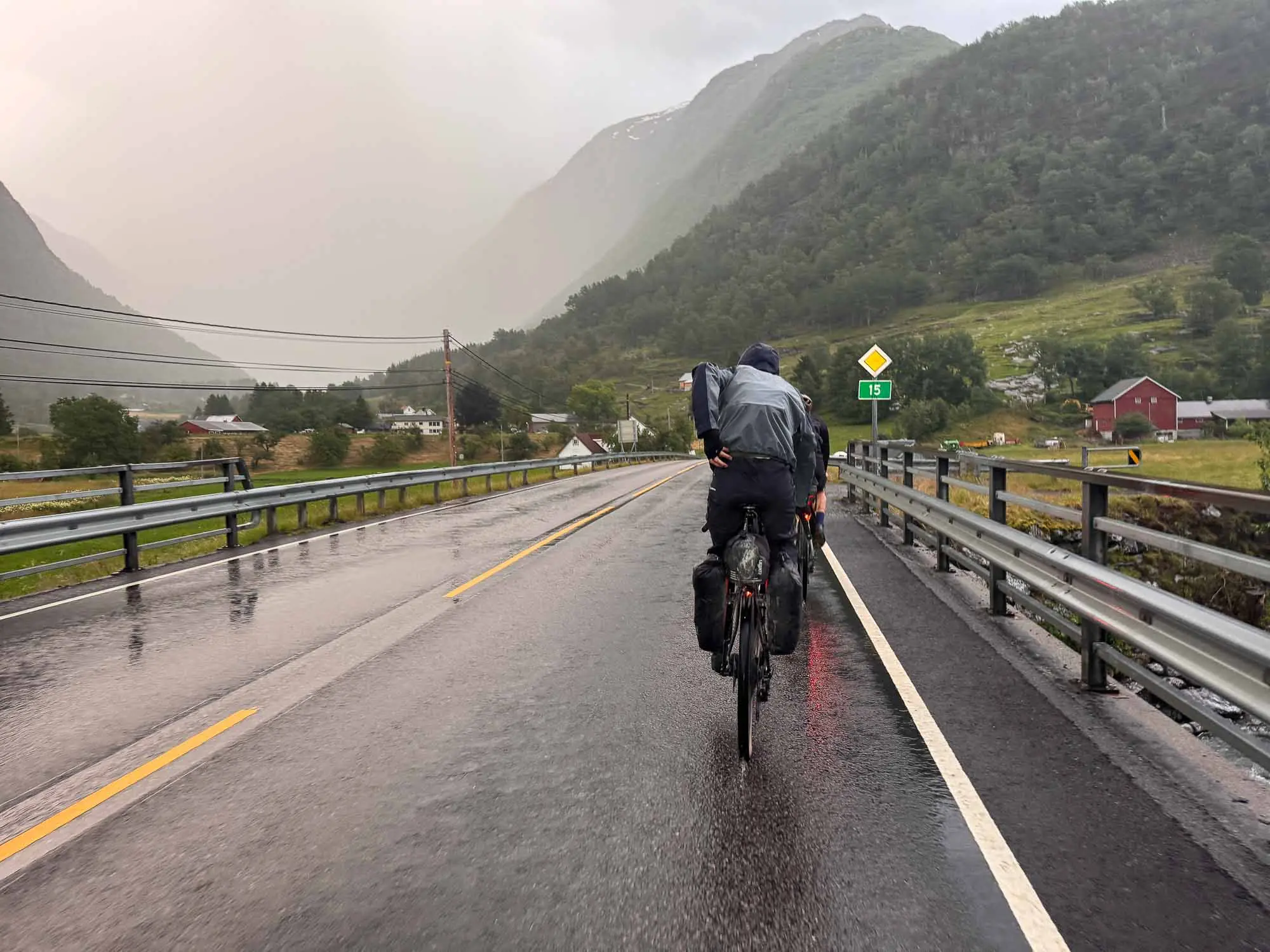
Not really, but when we got caught in a thunderstorm on the evening of the third day and misjudged the remaining distance to our accommodation by a few kilometres and a hundred metres of elevation gain, I was definitely in a very dark place mentally. Giving up wasn’t an option, though, but finding the motivation to carry on was certainly difficult. You really have to be that ‘Type 2 Fun’ sort of person and know how to handle it properly so that a situation like that doesn’t break you. The good thing about it: you’re fully in the here and now – the bad thing: you’re fully in the here and now. But eventually even the greatest ‘suffering’ comes to an end, at the latest when, with a blank stare, soaking wet and completely frozen through, utterly exhausted, you’re holding a Coke in your hand and sitting in the warmth of your accommodation. You’ve got to like it, otherwise it gets difficult!
Which moment has really stuck in your mind?
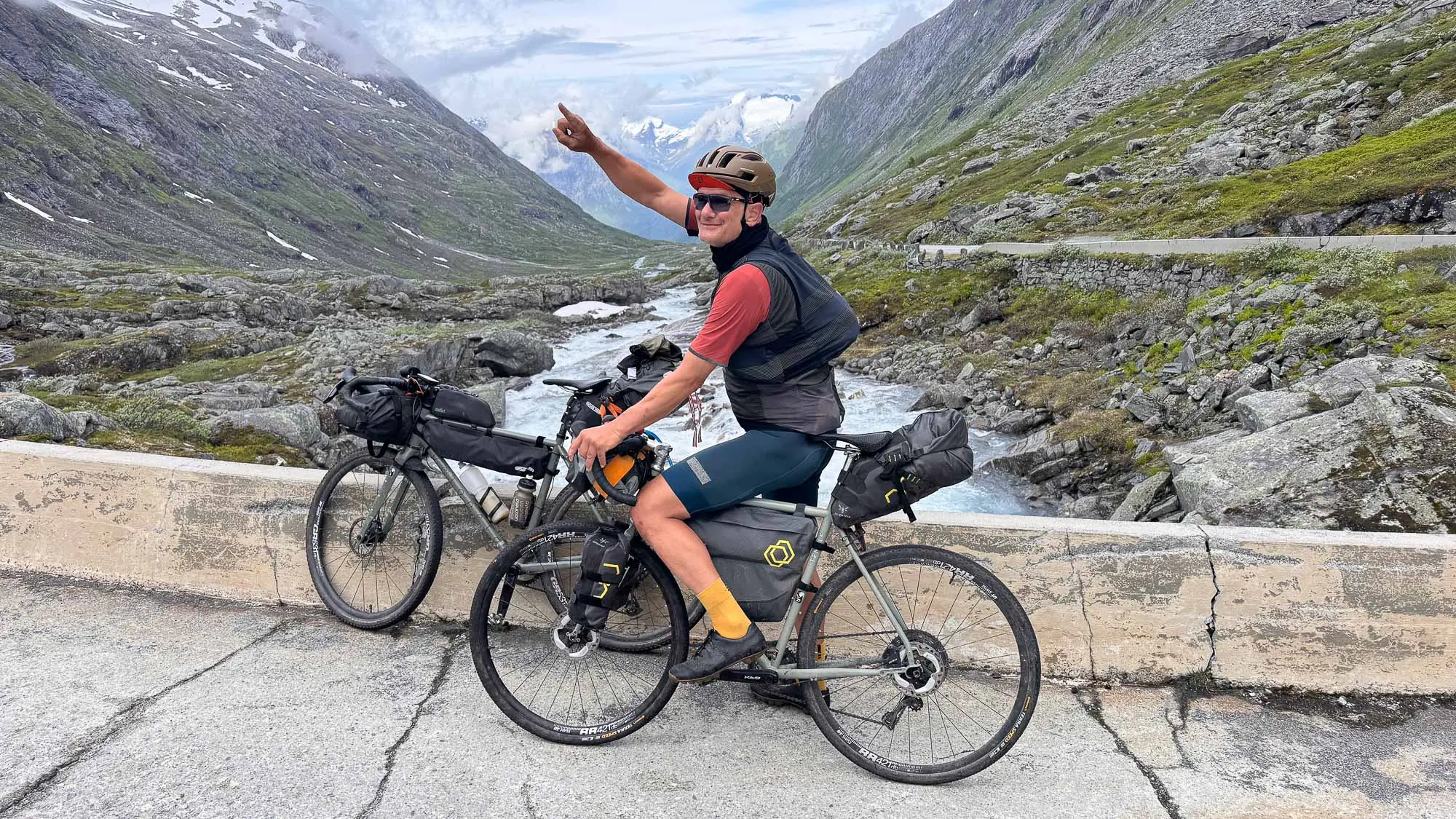
There are perhaps two moments that spring to mind. On the one hand, the rather unpleasant side of such an event, when – as I’ve already described – after a long and already very exhausting day, we found ourselves caught in a thunderstorm with rain and wetness right down to our skin, and faced with an unexpectedly tough further climb just to reach our accommodation; and secondly, the brilliant side, when late in the evening, in absolutely glorious weather, we were riding along the Sognefjellveg mountain pass, the highest mountain pass in Norway, with a fantastic view of Norway’s highest mountains – what a reward for all the effort up to that point!
How important was your set-up for this race?
I’d say it’s very important. With a good, well-thought-out set-up, you can avoid a lot of problems on the road. From a reliable bike, a gear ratio that suits your needs and a good riding position, right through to the kit you take with you. That way, you can concentrate on cycling whilst on the road and don’t have to grapple with minor or major problems. Test rides and packing lists helped me find my ideal setup. When you reach the finish line without any mechanical or physical issues, you know you had the right kit from the start. Three cheers for good preparation and planning!
Many think of such adventures first and foremost in terms of speed or performance: What is for you personally the most important thing, when you are on such routes ?
Basically, my main priority is to finish the race safely and in good health. Since I can’t finish in the top 10 at events like this anyway, it’s important to me to have a good time within the limits of my abilities. I don’t mean that I’m just having fun along the way; it’s more about getting through it well and making it to the finish line within the time limit. There are also factors along the way, such as the weather, that you have no control over, so all your plans can quickly go out the window if the weather doesn’t play ball. On the other hand, good weather can allow you to ride for much longer. Especially in summer here in Norway, it hardly gets dark at all and you can ride almost round the clock without lights. And then your head has to be in the right place too; without that, nothing works. Even if you’re in top shape and have the best equipment, if your mind isn’t in the game, you’ll have a really tough time on the road.
How do you prepare for an adventure like this?
I think preparation is absolutely key for events like this. That includes proper training, a well-thought-out setup and, above all, familiarising yourself with the route and the options available on site. That can save you a lot of trouble along the way. You also need experience and the right mindset – but that also means you really need to think through what you’re planning, otherwise you’ll spend more time dealing with problems than enjoying the ride.
Was there along the way anything that turned out completely differently than planned?
Not really. We’d drawn up a good plan and followed it in a structured way – in other words, we’d divided the ‘race’ into stages right from the start, and that worked brilliantly. This meant we avoided completely exhausting ourselves or, in my view, taking unnecessary risks (which are not uncommon in ultracycling) such as micro-sleeps or hypothermia. As a result, although I was pretty knackered at the finish line and we ended up somewhere near the back of the pack, I was able to get back on my bike straight away afterwards and didn’t have to spend weeks or months nursing my wounds.
What was the biggest challenge on the course?
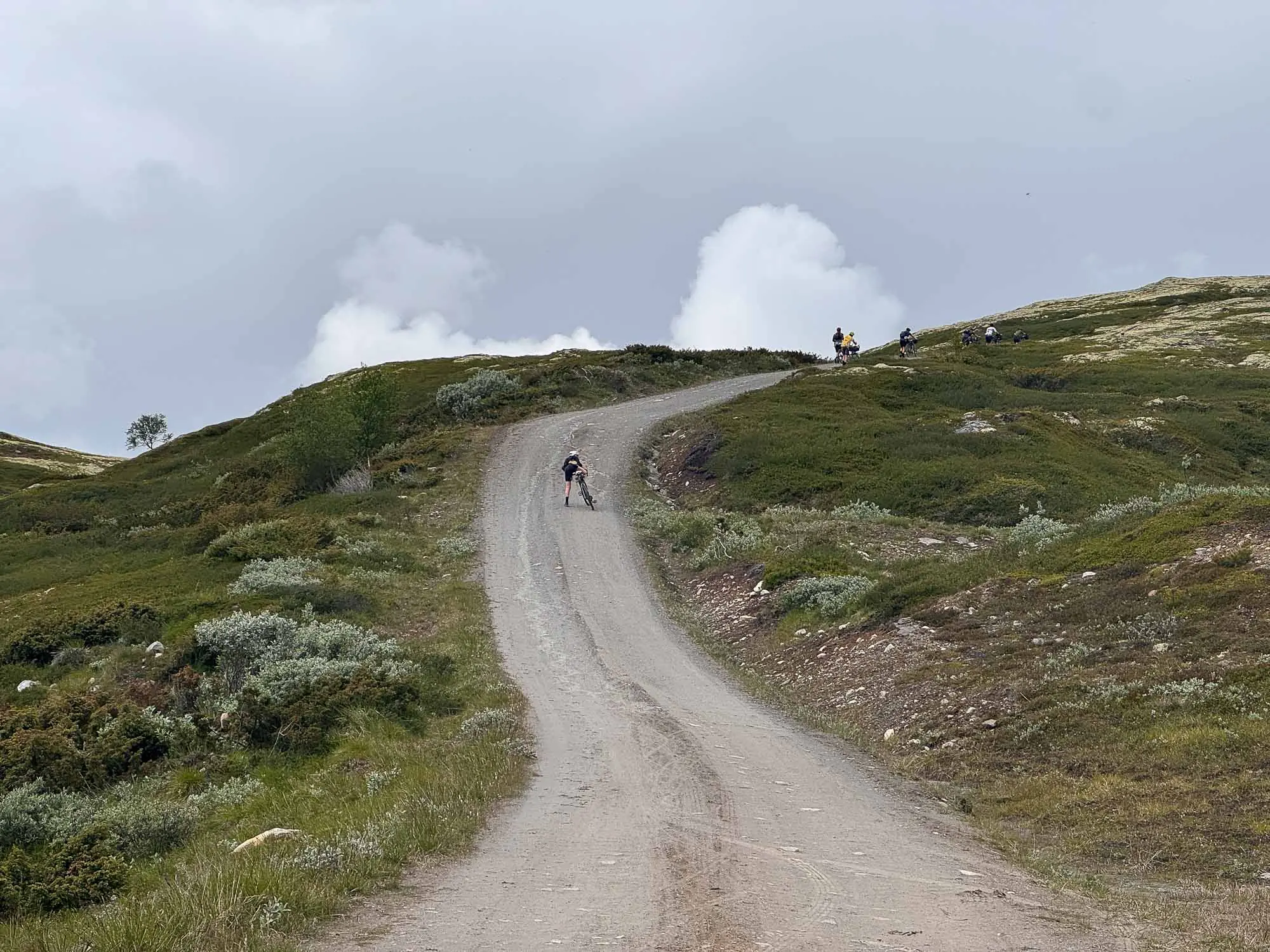
Hard to say – everything went pretty well, actually. What probably got to me the most this time was the sun and the heat at times. Sure, good weather is great at events like this, but when you’re constantly being roasted by the sun on some of the biggest climbs with no shade in sight, that’s really tough for me personally – I don’t cope too well with excessive heat. And in Norway in the summer, it takes a while for the sun to go down. 😉
What role does cycling play in your life?
Cycling gives me a great sense of freedom. I feel this particularly when I’m on my gravel bike. You always make good progress, can get almost anywhere, and if needed, you can easily take a full bikepacking setup with you – it’s just perfect! I also love being part of the gravel bike scene and can get completely absorbed in the finer details of riding – but for one thing, I currently live in Norway and cycling is only possible here for a maximum of 6–7 months a year, as the rest of the time is winter, and for another, I really enjoy other outdoor sports too! I absolutely love skiing, cross-country skiing, hiking, or even going on tours with Nordic backcountry skis, camping or travelling from hut to hut. So yes, cycling is very important to me, but there are so many other cool things out there!
If you had to give a piece of advice to someone who dreams of going on an adventure like that themselves – what would it be?
As with any major adventure, the rule is: approach it cautiously, gain experience, improve yourself and prepare yourself well in advance – then you can also at some point stand at the starting line yourself. Good preparation is more than half the job, adventures are still plenty to be had along the way!
Has this race changed your view of cycling ?
Not necessarily in terms of bikepacking tours. Above all, however, my perspective on my own capabilities has changed, in the sense that I’ve realised what I’m capable of, and this has opened up new goals and possibilities. I’ve now taken part in two ultra-events and have learnt an enormous amount about myself and my own capabilities since then. I know now that I can do it, and the next step is to fine-tune the details on the road, the set-up and the training, so that I can potentially get even more out of it.
And most importantly: Where will your next adventure take you? 🙂
It’s winter here at the moment, and cycling isn’t possible until at least mid-April – so for now, I’ll be heading off on a winter tour with my skis, a pulak sledge and a tent. I’ve planned one or two longer rides for June, and by mid-July I’ll be back in Tolga, where I’ll be trying to reach my next personal ultra-level.
Done. And ready for more.
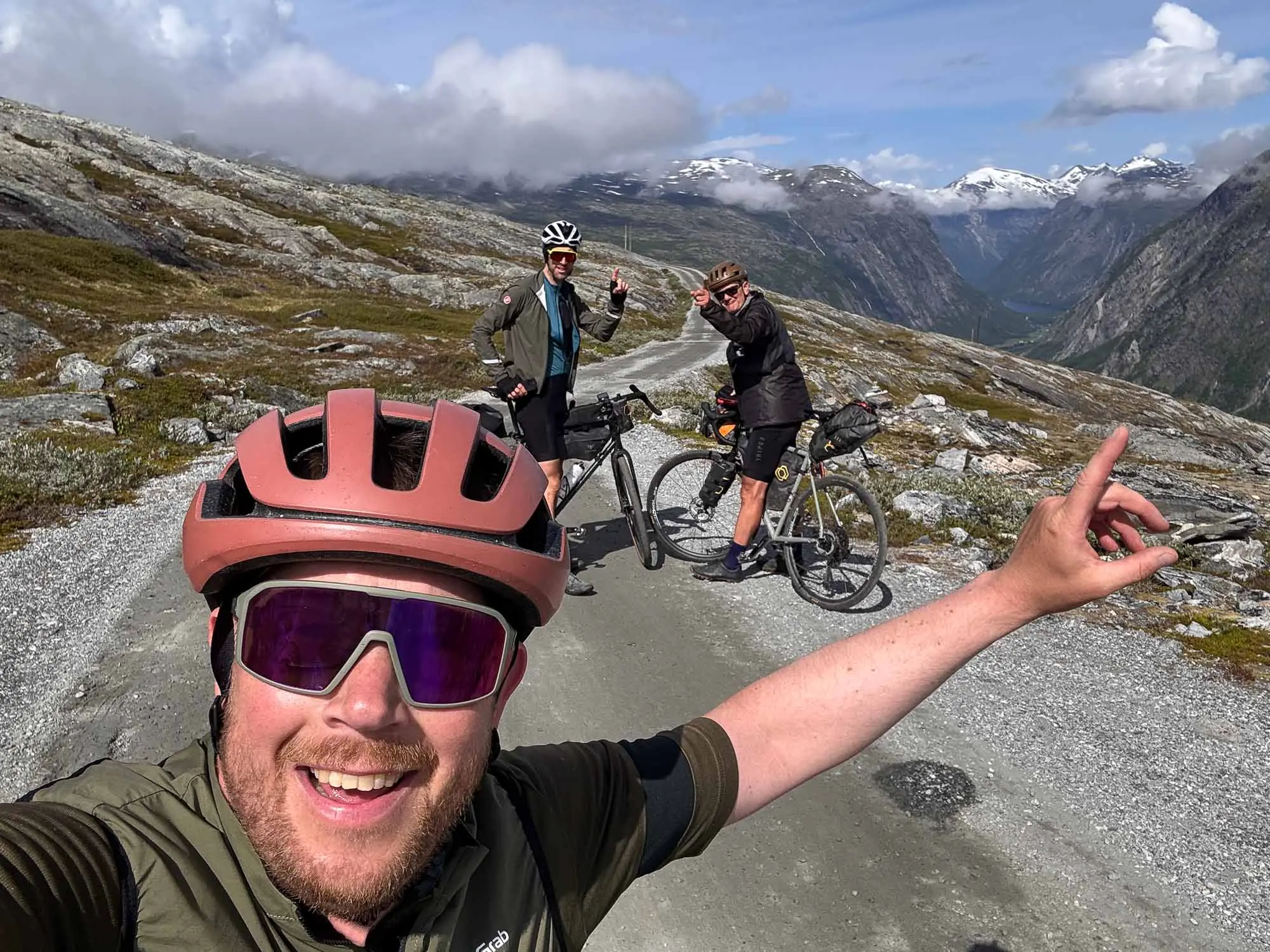
Simon has crossed the finish line. 1,100 kilometres and 20,000 metres of elevation gain across Norway – done. And by his own account, he was ready to set off again straight away, which we can absolutely understand.
His next adventure kicks off in mid-July, when he’ll be in Tolga. That’s where he plans to reach the next level in ultra-running. We’re already really looking forward to hearing all about it.
It’s for moments like these and people like you that we build our bikes. Thank you, Simon, for setting off. That’s what it’s all about.
If you’d like to follow Simon on his next adventures – he’s regularly posting on his blog, his podcast and on Instagram. Do have a look – it’s well worth it.